MEDICAL BIOLOGY, HUMAN ANATOMY, PHYSIOLOGY AND PATHOLOGY - Ya.I. Fedoniuk 2010
BIOLOGY
CHAPTER 2. BIOGEOCOENOTIC LEVEL OF LIFE ORGANIZATION AND HUMAN PLACE IN IT
2.6. ORGANISMS TOXIC TO HUMANS
Poisonous Mushrooms
Up to 80 species of poisonous mushrooms are known in Ukraine, though poisonings are most commonly caused by 20-25 of them. Poisonous cap mushrooms include: death cap (green, white, and yellow), false morel (Gyromitra esculenta), orange-red webcap, sulphur tuft, brick tuft, scaly wood mushroom, yellow stainer, fly agaric, panther cap, and others. During the summer and autumn periods, the most frequent and severe poisonings are caused by the death cap.
The death cap (Amanita phalloides) is a deadly poisonous mushroom belonging to the Class Basidiomycetes and the genus Amanita. This genus also includes another deadly poisonous species, the destroying angel (A. virosa). The death cap is found from June until late autumn in deciduous and coniferous forests, and sometimes at forest edges. The cap is up to 7-11 cm in diameter, and its color varies, ranging from white and greenish to yellow-green. The gills are free from the stem and remain permanently white. The stem is 8-15 cm long, white or greenish, with a delicate membranous ring. The Base of the stem is bulbous and enclosed in a cup-like volva, and the flesh is white (Fig. 2.62).
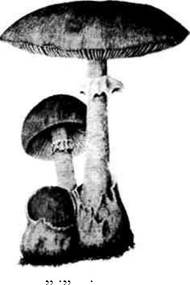
Fig. 2.62. Death cap (Amanita phalloides)
To date, two groups of toxic substances—phallotoxins and amanitotoxins—have been isolated from the death cap. These are extremely potent poisons that are resistant to heat and drying. Cells characterized by a high rate of Protein Synthesis, such as hepatocytes, small intestinal epithelium, and renal cells, are the most sensitive to these toxins. First aid includes gastric lavage and immediate hospitalization.
Death cap poisoning is characterized by a latent period of about 6 hours or more, accompanied by symptoms affecting the digestive tract (nausea, vomiting, abdominal pain), Liver (enlargement, tenderness, jaundice), Kidneys (ACUTE RENAL FAILURE), and Central Nervous system (convulsions, dizziness, fainting). Death occurs within 2-6 days.
Prevention. Virtually all cases of Mushroom poisoning result from gathering mushrooms by individuals who are unfamiliar with or insufficiently aware of the distinguishing features of edible, conditionally edible, and poisonous species. Therefore, public health education plays a vital role in preventing poisonous mushroom poisonings. Cases of death cap poisoning typically occur due to its similarity to cultivated mushrooms (champignons), which feature pinkish gills that rapidly darken and a stem lacking a bulbous base. In contrast, the deadly poisonous death cap always has pure white gills.
Last update: 08/08/2026
Editorial and Educational Adaptation: This material has been compiled based on the primary/original source text. The project team performed an editorial review, corrected technical inaccuracies, structured sections, and adapted the content for an educational format.
What was processed:
- elimination of formatting defects (OCR errors, structural breaks, corrupted characters);
- editorial organization of content;
- standardization of terminology in accordance with academic sources;
- verification of factual statements against the original source text.
All mentions of the author, publication year, and origin of the primary text have been preserved in accordance with the source.