Biochemical Foundations of Human Life Activity - Volkov N.I., Nesen E.N. 2000
Biochemistry of Sports
Biochemical Characteristics of Recovery Processes During Muscular Activity
Elimination of Metabolic Waste Products During the Rest Period Following Muscular Work
Lactic acid, produced in working Muscles As a result of enhanced anaerobic Glycolysis, undergoes oxidative removal During the first few minutes of recovery following exercise. In the early recovery period, the concentration of lactic acid in working muscles exceeds its concentration in the Blood, after which There is a rapid efflux of the lactic acid accumulated during exercise into the bloodstream. Typically, by the 7th–10th minute of the recovery period, the concentration of lactic acid in the muscles and blood reaches equilibrium, and at later stages of recovery (from 20 min onwards), its concentration in the blood exceeds the lactate content in the muscles. During this period, the muscles become the primary site for the oxidative removal of excess accumulated lactic acid from the body. As seen in Fig. 163, it takes about 25 min to remove half The amount of lactic acid accumulated during exercise.
A portion of the lactic acid (over 60%) produced during exercise undergoes complete oxidation to CO2 and Water. At the expense of The energy released through aerobic oxidation, part of the lactic acid (up to 20% of the total amount produced during exercise) is converted into Glycogen via Gluconeogenesis, while another part is utilized for the de novo synthesis of Amino Acids and can subsequently be detected within newly synthesized tissue Proteins; only an insignificant fraction is excreted in urine and sweat (Fig. 164).
The process of lactic acid removal during the post-exercise recovery period is closely linked to the payment rate of the slow fraction of the oxygen debt. The ratio between the amount of lactic acid removed and the amount of oxygen consumed during the elimination of the slow fraction of the oxygen debt exhibits significant individual variations depending on the type of exercise performed and post-exercise recovery conditions. Lactic acid removal after exercise is noticeably accelerated if moderate-intensity exercise is performed during recovery. As shown in Fig. 165, the highest rate of removal of lactic acid accumulated during exercise is achieved when the intensity of the "recovery exercise" is 35–40% of the individual's VO2max.
Class="center">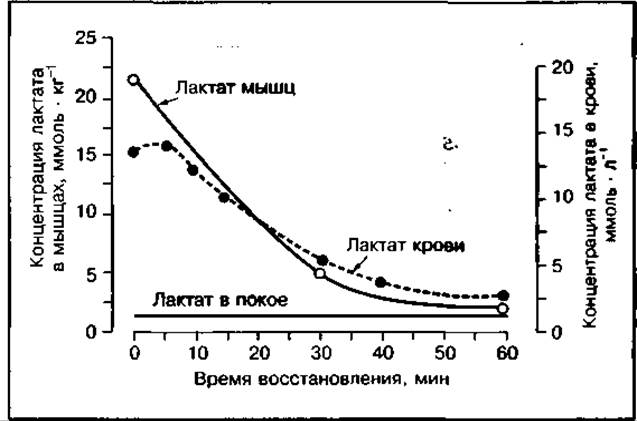
Fig. 163 Rate of lactate clearance from muscles and blood during the recovery period
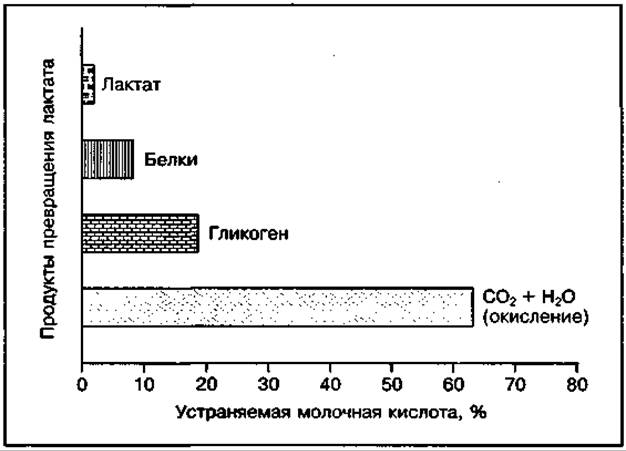
Fig. 164 Utilization of lactate eliminated during the post-exercise recovery period
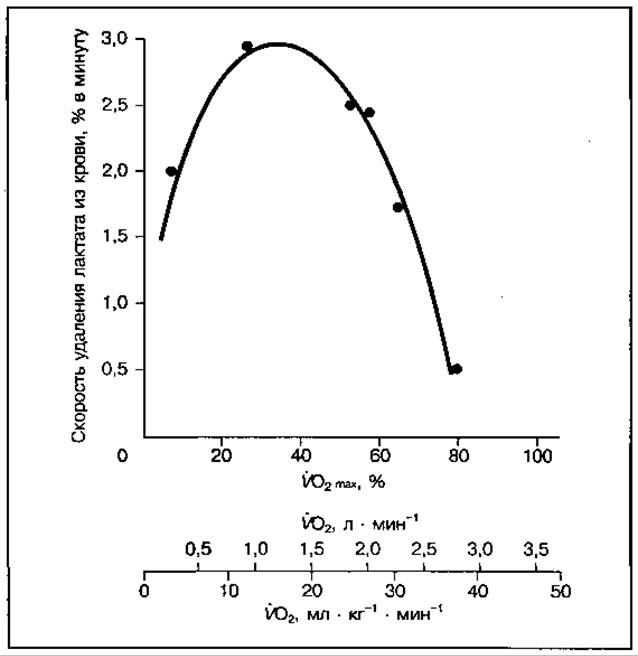
Fig. 165 Effect of moderate-intensity exercise on The rate of blood lactate clearance
Along with the removal of lactic acid during the post-exercise recovery period, other key metabolites in the muscles and blood—such as Alanine, pyruvic acid, ammonia, inorganic phosphate, and hydrogen ions—return to their baseline values, and the reserves of O2 stored in the Myoglobin of red Muscle fibers are replenished (Fig. 166).
Alanine and pyruvic acid, produced in working muscles, are utilized for glucose synthesis via gluconeogenesis during the post-exercise recovery period. A number of Other Amino Acids can be converted into alanine with the participation of glutamate, and this metabolic pathway serves to maintain blood glucose Homeostasis and restore glycogen reserves in the muscles and Liver.
Performing high-intensity exercise over an extended period leads to an increased Rate of protein breakdown in working muscles, resulting in elevated concentrations of ammonia—the end product of Protein Catabolism—in both muscles and blood. The peak blood ammonia concentration following strenuous muscular work is typically reached by the 5th–6th minute of the recovery period and rapidly decreases as recovery time progresses.
Following intense muscular activity, blood hydrogen ion concentration increases. The dynamics of these changes mirror the pattern of lactic acid concentration changes. The highest H+ concentrations are observed during the first 2–3 minutes of post-exercise recovery and return to normal levels within 20 minutes of recovery. A similar pattern is observed in changes in blood inorganic phosphate concentration. The dynamics of inorganic phosphate during the recovery period following high-intensity exercise are closely related to the rate of PCr resynthesis in working muscles. If the exercise was accompanied by significant sweating, tissue reserves of water and mineral salts, which must be replenished through dietary intake, are restored during the recovery period.
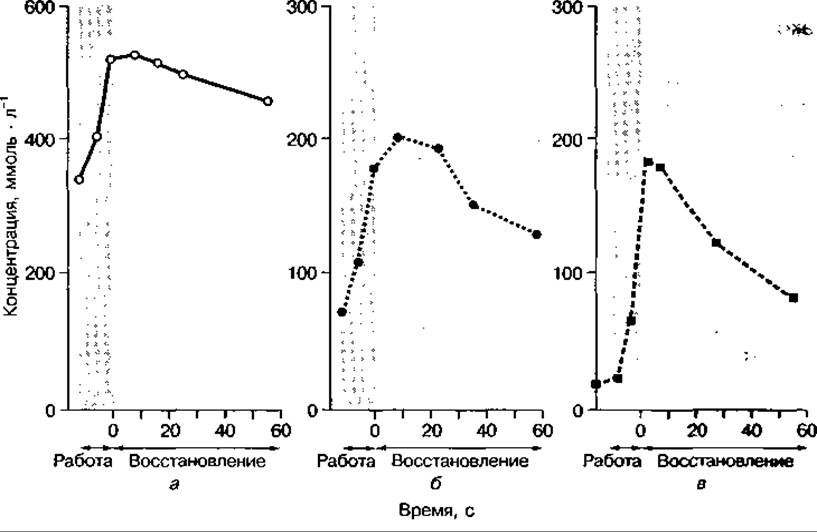
Fig. 166 Changes in blood concentrations of alanine (a), pyruvic acid (b), and ammonia (c) during the recovery period after strenuous muscular work
The amount of oxygen utilized during exercise from the myoglobin stores of red muscle fibers is relatively small: in a human weighing over 70 kg, it amounts to only about 500 ml. However, these oxygen reserves play a crucial role in sustaining aerobic METABOLISM during high-intensity intermittent exercise. In this context, THE CONTRIBUTION OF myoglobin oxygen reserves can reach up to 90% of the total energy demand, exceeding the relative contribution of phosphagens and anaerobic glycolysis to the Energy supply of the work. Myoglobin oxygen stores are rapidly replenished during the first minutes of post-exercise recovery. This process, along with the O2 cost of PCr resynthesis, constitutes the major portion of the fast fraction of the oxygen debt.
Last update: 06/08/2026
Editorial and Educational Adaptation: This material has been compiled based on the primary/original source text. The project team performed an editorial review, corrected technical inaccuracies, structured sections, and adapted the content for an educational format.
What was processed:
- elimination of formatting defects (OCR errors, structural breaks, corrupted characters);
- editorial organization of content;
- standardization of terminology in accordance with academic sources;
- verification of factual statements against the original source text.
All mentions of the author, publication year, and origin of the primary text have been preserved in accordance with the source.