INVERTEBRATE ZOOLOGY IN THREE VOLUMES - BOOK 2 - G.Y. Shcherbak - 1996
PHYLUM ARTHROPODA
SUBPHYLUM TRACHEATA
CLASS SYMPHYLA
Like the previous Class, symphylans are small animals (up to 8 mm in length) with a very thin cuticle. They are distributed from sea coasts to high mountains (3,000 m above sea level), inhabiting soil, decaying vegetation, and leaf litter, or living under stones. Symphylans are highly sensitive to moisture deficit and can survive only at a relative humidity close to 100%. This accounts for their complex seasonal and daily Migrations within the soil. About 150 species of symphylans have been described, 5 of which are known in Ukraine.
The HEAD of symphylans is covered by a true head capsule resembling that of insects. Unlike pauropods, their antennae are unbranched; like centipedes, they possess three pairs of mouthparts, while eyes are absent.
The trunk of symphylans exhibits distinct structural differences between the ventral and dorsal sides. The ventral side always bears 12 sternites and 12 pairs of legs, whereas the number of dorsal tergites varies among species, exceeding 12 (up to 24). The last segment bears a pair of appendages, the cerci, which contain the openings of silk gland ducts (Fig. 114).
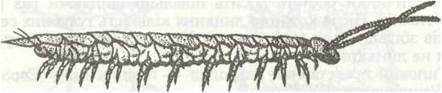
Fig. 114. Symphyla: Scolopendrella immaculata
The Digestive System is similar to that of diplopods; the excretory system is represented by a pair of Malpighian tubules, supplemented by one or two pairs of maxillary glands. Symphylans feed on dead and living plant Tissues. Certain species, such as *Scolopendrella immaculata*, can cause significant damage to young seedlings of various field and greenhouse crops.
The dorsal Blood vessel extends from the III to the XIII segment. Symphylans breathe primarily through the integument, with partial oxygen uptake occurring via the tracheal system. Unlike all other myriapods, the tracheal system opens through a single pair of spiracles located on the head behind the antennae. The tracheae extending from the spiracles are sparsely branched, with their branches reaching only into the head and the first three trunk segments.
The Nervous System is typical of Arthropods, with the ventral nerve cord invariably possessing 12 ganglia. Sensory Organs, particularly those of Touch, are represented by numerous fine setae covering the entire body.
Near the Base of the legs on all segments, there are peculiar sac-like structures that protrude under hemolymph pressure and are subsequently retracted into the body through muscular contractions. Various hypotheses exist regarding their function: some researchers consider them to be Accessory Organs of gas exchange, while others suggest they serve as organs for sensing Temperature and humidity changes.
The Reproductive System of symphylans is similar to that of pauropods, with the genital opening also located on the third segment.
Fertilization in symphylans is remarkably unique. Males deposit spermatophores in the subterranean tunnels through which the animals move. Females pick up the spermatophores with their mouthparts, and the seminal fluid is transferred to specialized receptacles on the inner surface of the mouthparts. As the female uses her mouthparts to grasp an egg emerging from the genital pore, the egg is fertilized by the spermatozoa. The fertilized egg is then attached to the walls of soil tunnels, and a larva with an incomplete number of legs hatches after 10 days.
Symphylans exhibit a fascinating ability to regenerate lost antennal segments—a phenomenon that is exceptionally rare among terrestrial arthropods.
Last update: 13/08/2026
Editorial and Educational Adaptation: This material has been compiled based on the primary/original source text. The project team performed an editorial review, corrected technical inaccuracies, structured sections, and adapted the content for an educational format.
What was processed:
- elimination of formatting defects (OCR errors, structural breaks, corrupted characters);
- editorial organization of content;
- standardization of terminology in accordance with academic sources;
- verification of factual statements against the original source text.
All mentions of the author, publication year, and origin of the primary text have been preserved in accordance with the source.