GENERAL MICROBIOLOGY - T.P. Pyrog - 2004
22. MICROORGANISMS AS OBJECTS OF BIOTECHNOLOGY
22.1. BIOSYNTHESIS OF COMMERCIALLY IMPORTANT METABOLITES
Information regarding the PRODUCTION OF BIOLOGICALLY active compounds by microorganisms is provided in previous chapters (the chapter "Fungi" covers biologically active fungal substances, while the chapter "METABOLIC ACTIVITY OF Aerobic Heterotrophs" discusses INCOMPLETE OXIDATIONS).
Summary data on the utilization of microorganisms for the synthesis of practically important metabolites, along with Characteristics of Some of these compounds, are presented in Tables 22.3–22.8. Aerobic chemoorganotrophic Bacteria, fungi, and Yeasts are employed to produce Amino Acids, Antibiotics, Enzymes, Polysaccharides, dentins, Surfactants, and certain organic acids. Vitamin Biosynthesis can also be carried out by anaerobic bacteria (such as Clostridia, propionic acid bacteria, and methanogens), which utilize a fermentative type of METABOLISM or are capable of Anaerobic Respiration. Alcohols, ketones, and organic acids are produced using anaerobic bacteria and yeasts, which are characterized by a fermentative metabolism.
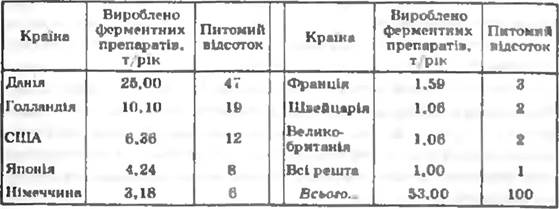
According to 1990 data, the global commercial market turnover for technical enzyme preparations reached 800 million USD. Eighty percent of all technical enzymes were utilized across three main sectors: starch Hydrolysis (40%), detergent production (30%), and cheese manufacturing (10%). An analysis of enzyme sales over the past decade indicates that the PRODUCTION OF MICROBIAL-derived enzymes is on an upward trend, growing by an average of 5–7% annually. Table 22.9 outlines the primary countries manufacturing enzyme preparations.
According to 1996 data, annual Amino Acid Production exceeded 700,000 tons. The leader in this field is Japan, which generated 1.8 billion USD (in 1998) from The production of both individual Amino Acids and their mixtures.
Class="center">Table 22.3.
Classification of antibiotics (by mechanism of biological action)
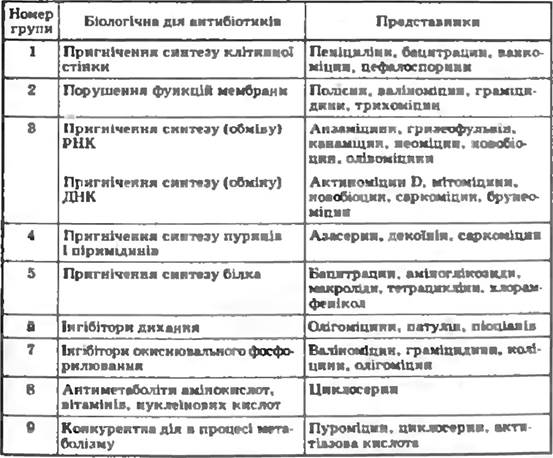
Table 22.4.
Antibiotics of microbial origin
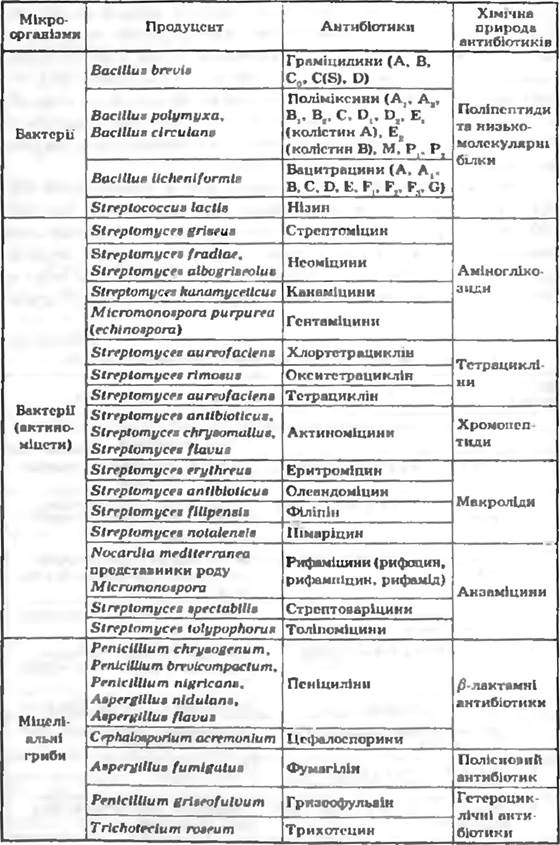
Table 22.5.
Microorganisms as producers of industrial enzymes

Table 22.6.
Classification of industrial microbial exopolysaccharides


Table 22.7
Surfactants of microbial origin

Table 22.8.
Vitamins and Gibberellins of microbial origin
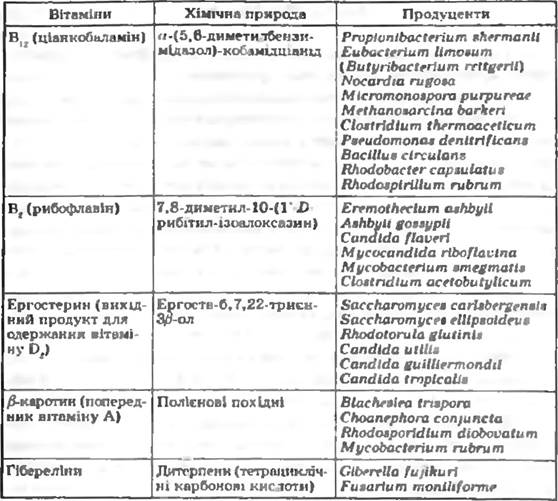
Table 22.9.
Production of INDUSTRIAL ENZYME PREPARATIONS (1994 data)
Last update: 12/08/2026
Editorial and Educational Adaptation: This material has been compiled based on the primary/original source text. The project team performed an editorial review, corrected technical inaccuracies, structured sections, and adapted the content for an educational format.
What was processed:
- elimination of formatting defects (OCR errors, structural breaks, corrupted characters);
- editorial organization of content;
- standardization of terminology in accordance with academic sources;
- verification of factual statements against the original source text.
All mentions of the author, publication year, and origin of the primary text have been preserved in accordance with the source.