Anatomy of the Vessels and Nerves of the Trunk (Angioneurotomy) - Chornokulskyi, S. T. 2011
Nerves of the trunk, thoracic nerves
Anterior branches of the thoracic nerves
Anterior branches of the Thoracic nerves [intercostal nerves (nn. intercostales)]
retain their segmental Structure. Eleven pairs (Th1—Th12) are located in the intercostal spaces between the mm. intercostales interni et intimi as part of the neurovascular bundles (VAN — from top to bottom) (Fig. 45a). The twelfth pair is known as the subcostal nerves (nn. subcostales).
✵ The upper six pairs of intercostal nerves reach the Sternum and terminate in its region as the anterior pectoral cutaneous branches (rr. cutanei anteriores pectorales). In women, the medial Branches of the breast (mammary gland) (rr. mammarii mediales) arise from the anterior pectoral cutaneous branches of the II–IV intercostal nerves.
✵ The five lower intercostal and subcostal nerves reach the anterior abdominal wall between the mm. obliquus internus et transversus abdominis, pierce the Sheath of the rectus abdominis Muscle, and innervate the Skin via the anterior abdominal cutaneous branches (rr. cutanei anteriores abdominales) (Fig. 47).
✵ The muscular branches (rr. musculares) of the intercostal and subcostal nerves innervate the autochthonous ventral musculature of the trunk (mm. intercostales externi, interni, intimi, transversus thoracis, subcostales, levatores costarum, obliqui externus et internus abdominis, transversus abdominis, rectus abdominis, pyramidalis, quadratus lumborum, mm. serrati posteriores superior et inferior).
✵ The lateral cutaneous (pectoral and abdominal) branches [rr. cutanei laterales (pectorales et abdominales)] branch off from the intercostal and subcostal nerves along the anterior axillary line (Fig. 47).
Class="center">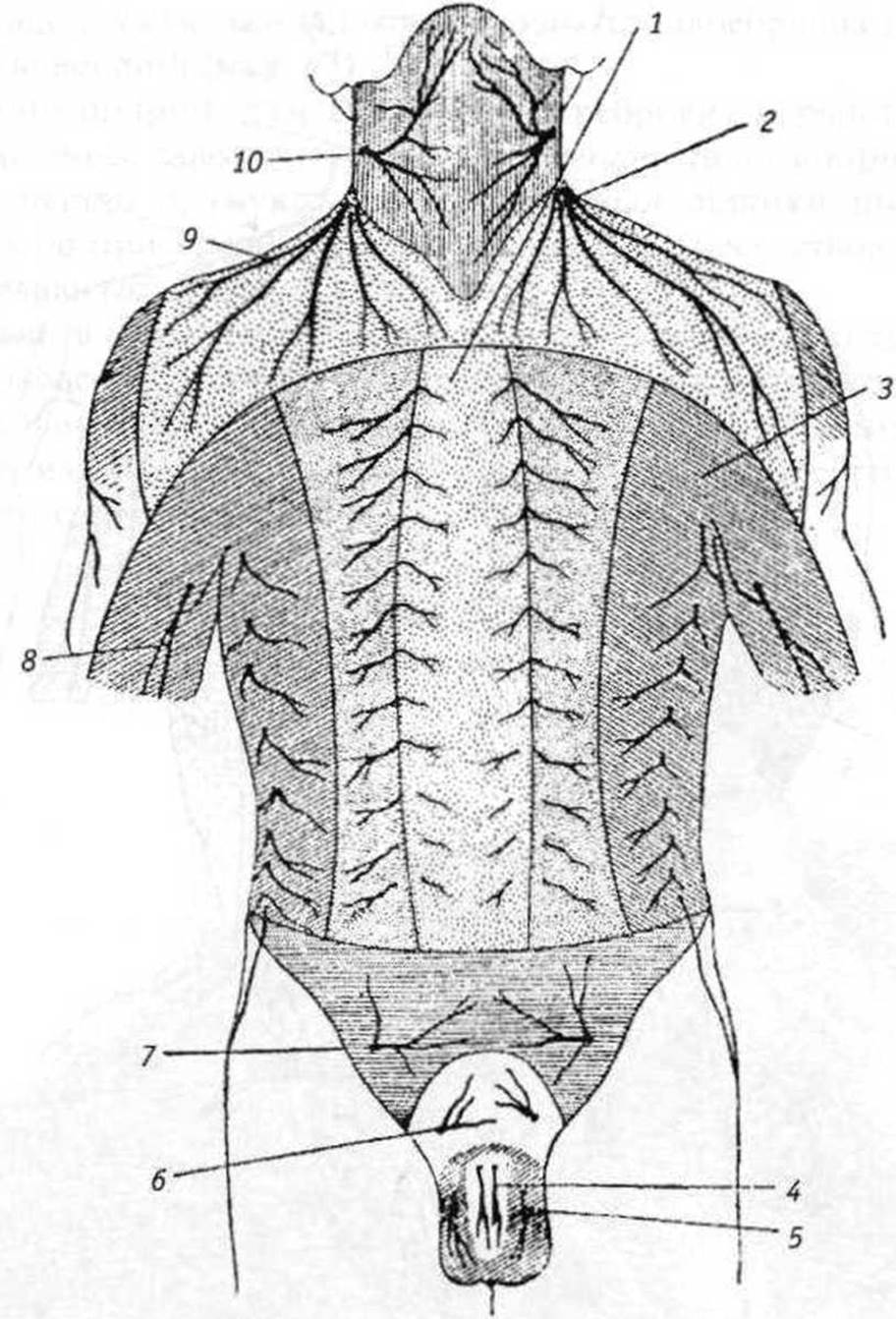
Fig. 47. Cutaneous branches of the Spinal Nerves of the neck and trunk (anterior view):
1 — area of innervation by the anterior pectoral and abdominal cutaneous branches (rr. cutanei anteriores pectorales et abdominales);
2, 9 — areas of innervation by the supraclavicular nerves (nn. supraclaviculares) from the Cervical plexus
3 — area of innervation by the lateral pectoral and abdominal cutaneous branches (rr. cutanei laterales pectorales et abdominales);
4 — dorsal nerve of the Penis (n. dorsalis penis);
5 — anterior scrotal nerves (nn. scrotales anteriores);
6 — ilioinguinal nerve (n. ilioinguinalis);
7 — anterior cutaneous branch of the iliohypogastric nerve (r. cutaneus anterior n. iliohypogastrici);
8 — medial cutaneous nerve of the arm (n. cutaneus brachii medialis);
10 — transverse nerve of the neck (n. transversus colli) from the cervical plexus
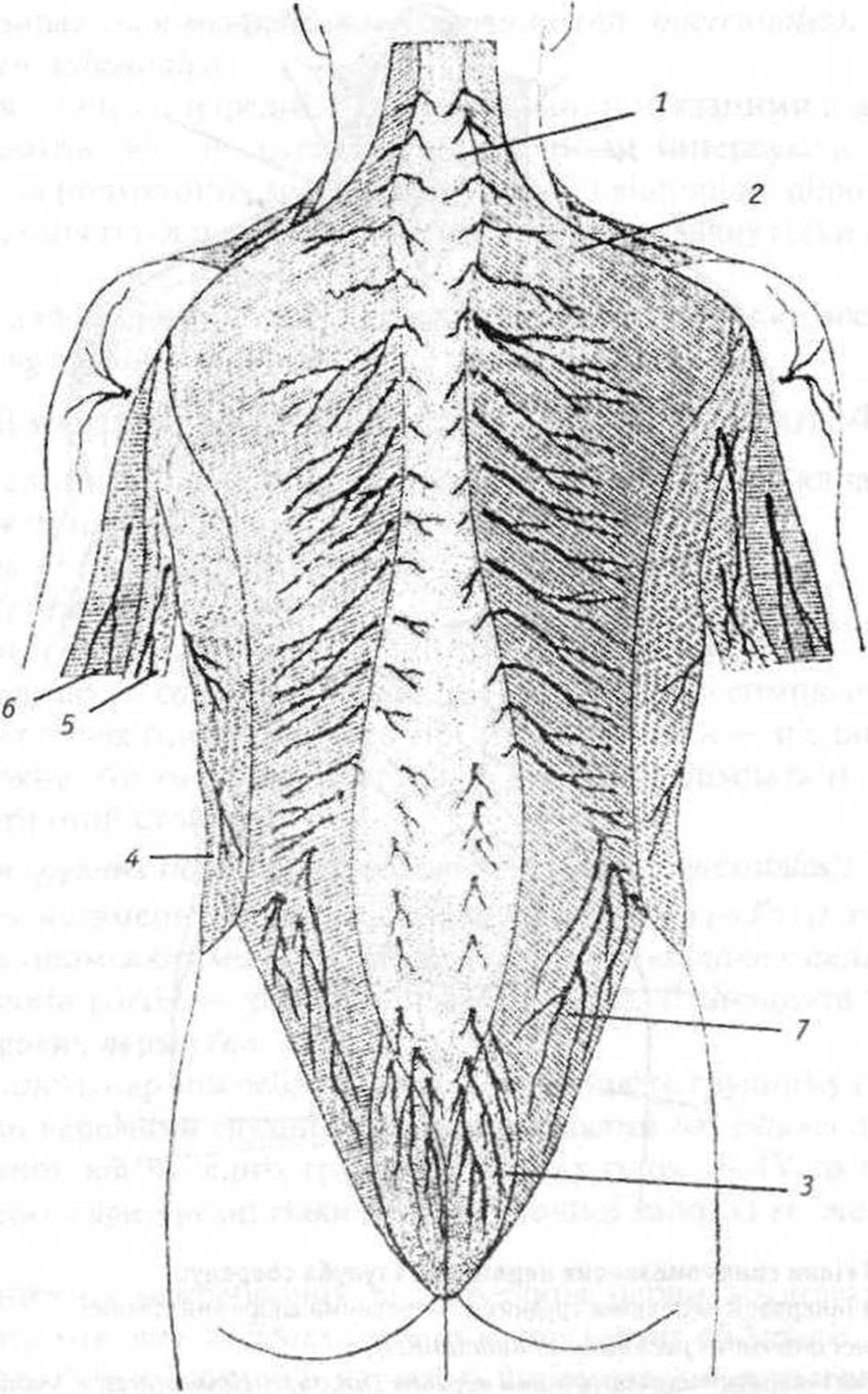
Fig. 48. Cutaneous nerves and their innervation areas on the back (from the dorsal branches of the spinal nerves):
1 — medial branches and their cutaneous innervation area (light);
2 — lateral branches and their cutaneous innervation area;
3 — middle clunial nerves (nn. clunium medii);
4 — area of skin Innervation of the back by the intercostal nerves;
5, 6 — areas of skin innervation of the arm from the Brachial Plexus and nn. intercostobrachiales;
7 — superior clunial nerves (nn. clunium superiores)
In women, the lateral cutaneous branches of the IV–VI intercostal nerves give rise to the lateral mammary branches (rr. mammarii laterales). The lateral cutaneous branches of the II–IV intercostal nerves proceed to the medial region of the arm skin and, joining the medial cutaneous nerve of the arm, form the intercostobrachial nerves (nn. intercostobrachiales).
✵ Pleural and peritoneal branches (rr. pleurales et peritoneales) supplying the costal Pleura and the Peritoneum of the Diaphragm and the anterolateral abdominal wall.
It should also be noted that the upper part of the 1st intercostal nerve contributes to the brachial plexus, while the lower part of the subcostal nerve contributes to the Lumbar plexus.
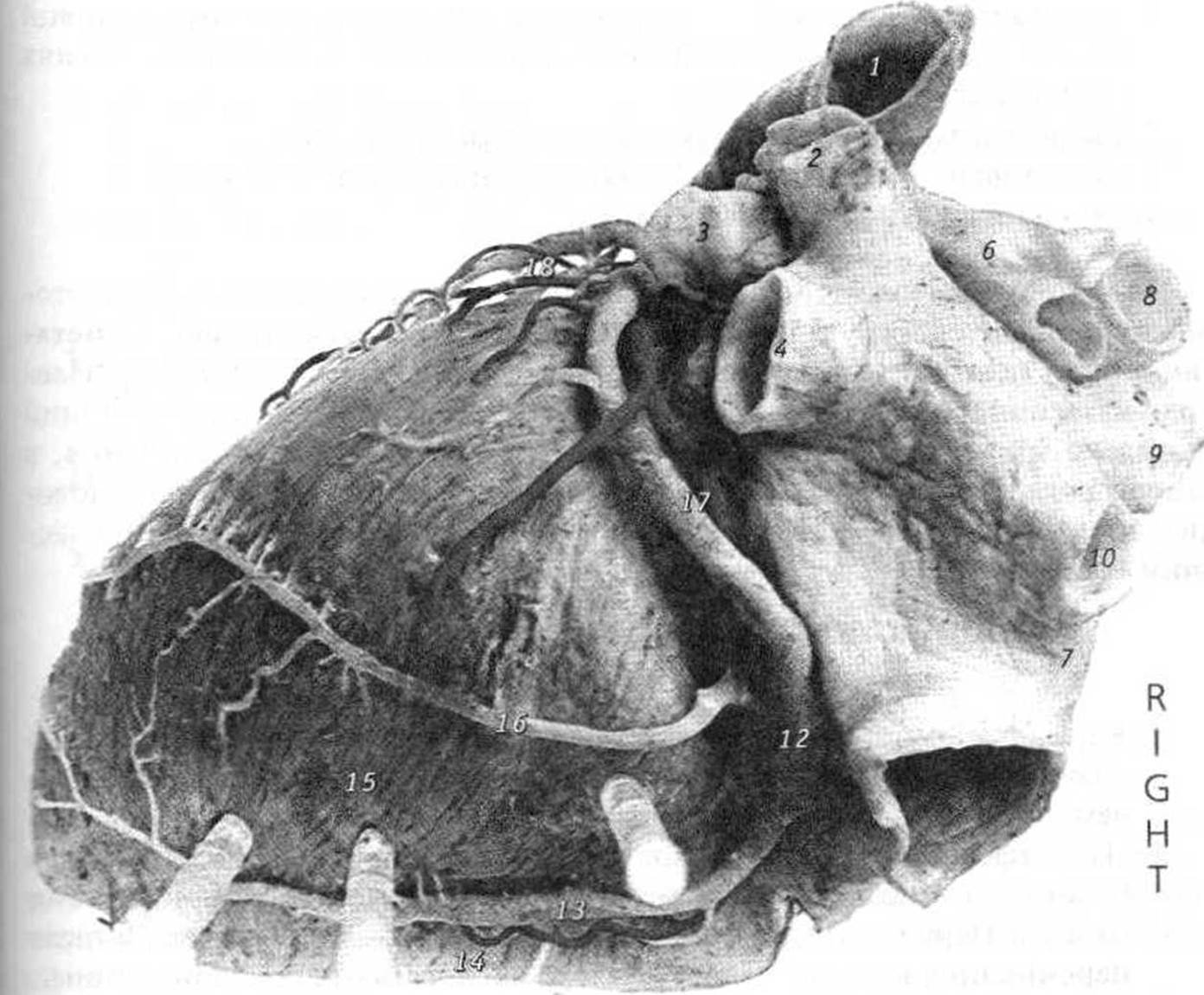
Fig. 48a. Heart specimen (for independent study)
Last update: 11/08/2026
Editorial and Educational Adaptation: This material has been compiled based on the primary/original source text. The project team performed an editorial review, corrected technical inaccuracies, structured sections, and adapted the content for an educational format.
What was processed:
- elimination of formatting defects (OCR errors, structural breaks, corrupted characters);
- editorial organization of content;
- standardization of terminology in accordance with academic sources;
- verification of factual statements against the original source text.
All mentions of the author, publication year, and origin of the primary text have been preserved in accordance with the source.