Military Hygiene with Emergency Hygiene - K.O. Pashka 2005
Fundamentals of organizing sanitary and hygienic measures in ground forces during peacetime emergencies and wartime. Hygiene of field quartering of troops and the population.
Brief characteristics of the State Sanitary and Epidemiological Service of the Ministry of Defense of Ukraine
The Organization, conduct, and supervision of sanitary, hygienic, and antiepidemic measures are entrusted to the Sanitary and epidemiological institutions (establishments) of the Ministry of Defence of Ukraine (MoD of Ukraine).
For the first time in The history of the Armed Forces, sanitary and epidemiological institutions have been removed from the subordination of the medical service of the Armed Forces branches and operational commands, and placed under the authority of the State Sanitary and Epidemiological Service of the MoD of Ukraine. This has enabled the establishment of an independent and impartial system of state sanitary surveillance and antiepidemic protection within the troops. Today, the sanitary and epidemiological service of the MoD of Ukraine holds state status, which completely eliminates any possibility of influence from subordinate supply and command structures on the objectivity of the sanitary oversight it exercises.
As a result of the reform of the sanitary and epidemiological service of the MoD of Ukraine, a new organizational and staffing Structure for its institutions has been established, outlining the main directions for improving and operating the state sanitary surveillance system in the Armed Forces of Ukraine, as well as the antiepidemic protection of troops. The Implementation of sanitary surveillance is based on the territorial principle, with a clear delineation of responsibilities between the medical service and the sanitary and epidemiological service of the MoD of Ukraine regarding the sanitary and epidemiological well-being of the troops.
The State Sanitary and Epidemiological Service (SSES) of the Ministry of Defence of Ukraine is a system of bodies, institutions, establishments, units, and subunits whose activities are aimed at preventing non-infectious and infectious diseases, occupational illnesses (poisonings), and radiation injuries, as well as averting the harmful IMPACT OF ENVIRONMENTAL factors on human health and life.
The SSES of the MoD of Ukraine is headed by the Chief State Sanitary Doctor of the MoD of Ukraine, who is appointed and dismissed by the Minister of Defence of Ukraine in coordination with the Chief State Sanitary Doctor of Ukraine. The Chief State Sanitary Doctor of the MoD has a deputy. The sanitary and epidemiological service comprises the Center for State Sanitary and Epidemiological Surveillance of the Armed Forces of Ukraine (CSSES), located in Kyiv, regional and territorial sanitary and epidemiological detachments (SEDs), and garrison sanitary and epidemiological laboratories (SELs). All of them are integrated into a unified System of the state sanitary and epidemiological service of the MoD of Ukraine and are vertically subordinated to the Sanitary and Epidemiological Directorate of the MoD of Ukraine (Chart 2.1).
The Sanitary and Epidemiological Directorate (SED) of the MoD of Ukraine includes departments headed by chief specialists of the SED of the MoD of Ukraine: the organizational and methodological department (information collection and Processing division; organizational division); the epidemiological department; and the Sanitary and hygienic department (Chart 2.2).
Class="center">
Chart 2.1. STRUCTURE OF THE State Sanitary and Epidemiological Service of the Armed Forces of Ukraine.
The Center for State Sanitary and Epidemiological Surveillance consists of the following subdivisions:
administration; epidemiological department (epidemiological division; disinfection division); sanitary and hygienic department (food hygiene division; communal hygiene division; hygiene laboratory); microbiological department (bacteriological division; division of particularly dangerous infections; division for the analysis of immunobiological and diagnostic preparations); radiology and toxicology department (toxicology division; radiology division; toxicology laboratory; physical factor measurement laboratory); support subdivisions (logistics supply division; automobile platoon; vivarium) (Chart 2.3).
The following sanitary and epidemiological detachments and laboratories have been established:
- regional — Lviv, Odesa, Sevastopol;
- territorial — Chernivtsi, Zhytomyr, Mykolaiv, Dnipropetrovsk, Kharkiv, Zaporizhzhia, Vinnytsia, Simferopol;
- garrison sanitary and epidemiological laboratories — in the following localities: Yavoriv, Mukachevo, Volodymyr-Volynskyi, Berdychiv, Novohrad-Volynskyi, Bolhrad, Chornomorske, Cherkaske, Kryvyi Rih, Artemivsk, Pervomaiske, Khmelnytskyi, Novoolezerne, Desna, Lubny, Bila Tserkva.
The Regional Sanitary and Epidemiological Detachment (RSED) is headed by a commander, who commands: the administration; the organizational and methodological department; the epidemiological department (epidemiological division; mobile sanitary and epidemiological division; bacteriological division; division of particularly dangerous infections; sanitary processing division; disinfection division; disinfection and deratization division); the sanitary and hygienic department (sanitary and hygienic division; radiation and toxicological division; sanitary and hygienic laboratory); the sanitary and epidemiological reconnaissance division; the sanitary control point; and support subdivisions (logistics supply division; vivarium) (Chart 2.4).

Chart 2.2. Structure of the Sanitary and Epidemiological Directorate of the Ministry of Defence of Ukraine.
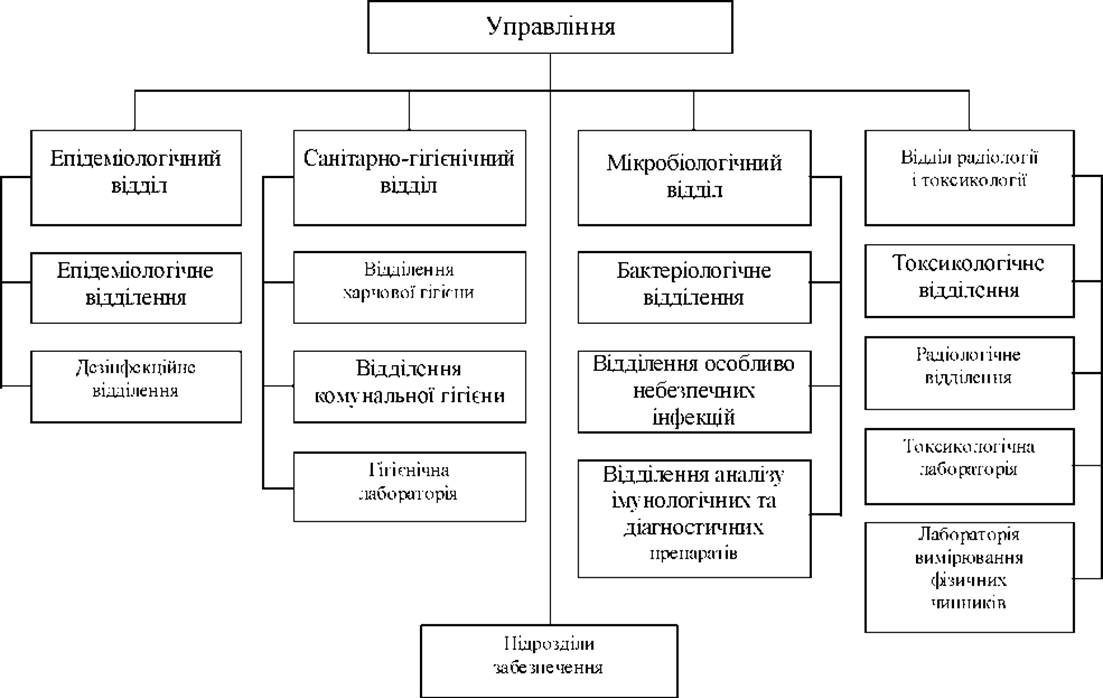
Chart 2.3. Structure of the Center for State Sanitary and Epidemiological Surveillance of the Armed Forces of Ukraine.
The Territorial Sanitary and Epidemiological Detachment (TSED) is headed by a commander, who commands the administration and the following divisions: epidemiological; sanitary and epidemiological (mobile); bacteriological; particularly dangerous infections; sanitary and hygienic; hygiene of health-improving facilities; toxicological and radiological; sanitary and epidemiological reconnaissance; sanitary processing; disinfection and deratization; sanitary control point; logistics supply (Chart 2.5).
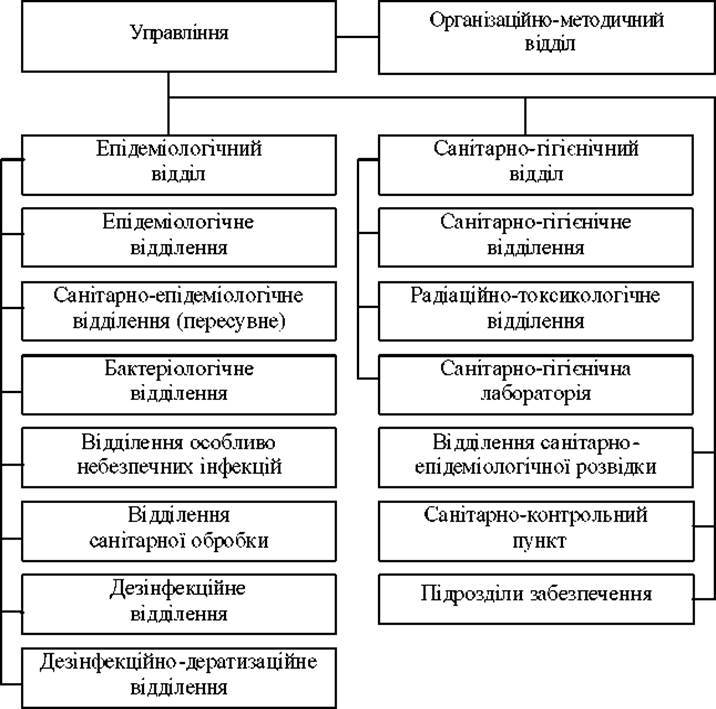
Chart 2.4. Structure of the Regional Sanitary and Epidemiological Detachment.

Chart 2.5. Structure of纽 the Territorial Sanitary and Epidemiological Detachment.
The HEAD of the Garrison Sanitary and Epidemiological Laboratory commands the following specialists: epidemiologist, radiologist, toxicologist, hygienist, and bacteriologist, as well as a laboratory assistant (sergeant), sanitary disinfection instructor, sanitary dosimetry instructor, electrical mechanic/driver, laboratory assistant, computer operator, and orderly (Chart 2.6).
The main activities of specialists in sanitary and epidemiological institutions within their areas of responsibility include:
- exercising state sanitary and epidemiological surveillance to the extent and with the frequency determined by the epidemiological situation and the actual sanitary condition of the military formation;
- defining priority measures for disease Prevention and protecting the health of military personnel from the harmful effects of various environmental factors;
- studying, assessing, and forecasting the adverse impact of the deployment environment on the health indicators of military personnel;
- preparing proposals to ensure the sanitary and epidemiological well-being of personnel, and to prevent the Introduction and spread of highly dangerous and parasitic infections within military formations;
- monitoring the elimination of causes and conditions that lead to the emergence and spread of infectious and mass non-infectious diseases, poisoning, and radiation injuries among military personnel;
- maintaining state records of infectious and occupational diseases and poisoning.

Figure 2.6. Structure of the sanitary and epidemiological laboratory.
Specific areas of activity, tasks, Functions, and performance criteria of the state sanitary and epidemiological service are defined by the relevant regulations governing the sanitary and epidemiological institutions of the Ministry of Defense of Ukraine.
Sanitary surveillance and anti-epidemic protection in the Armed Forces of Ukraine consist of general measures carried out by the medical service in the form of medical control, as well as qualified and specialized measures conducted by sanitary and epidemiological institutions depending on their management level within the anti-epidemic protection system:
Level I comprises the medical service of separate units, institutions, establishments, polyclinics, and hospitals;
Level II comprises garrison sanitary and epidemiological laboratories;
Level III comprises territorial sanitary and epidemiological detachments;
Level IV comprises regional sanitary and epidemiological detachments;
Level V is the Center for State Sanitary and Epidemiological Surveillance of the Armed Forces of Ukraine.
Level VI includes the Sanitary and Epidemiological Directorate, which performs analytical, methodological, organizational, and supervisory functions regarding the activities of all management levels.
In wartime, the organizational and staffing structure of sanitary and epidemiological institutions remains largely unchanged. Anti-epidemic support for troops is organized on a territorial basis, while the tasks facing sanitary and epidemiological institutions undergo certain modifications.
Thus, the main tasks of a garrison sanitary and epidemiological laboratory regarding sanitary surveillance during combat operations will include:
- conducting sanitary and epidemiological reconnaissance and surveillance;
- performing routine sanitary-hygienic and microbiological studies;
- carrying out sanitary and epidemiological expertise of Water and food supplies for radioactive and toxic agents;
- exercising sanitary supervision over the deployment, Nutrition, water supply, bath and laundry services of personnel, as well as the burial of those killed in combat and those who died from wounds and diseases;
- monitoring and providing methodological assistance during the implementation of sanitary and hygienic measures in units and subunits;
- organizing and carrying out full sanitary processing of wounded and sick military personnel admitted to a separate medical battalion;
- furthermore, the organization and implementation of anti-epidemic measures.
During wartime, territorial and regional SES are assigned
the following sanitary surveillance tasks:
- studying the sanitary and epidemiological situation among troops and within the army corps area of operations by Means of sanitary and epidemiological reconnaissance and surveillance;
- performing all types of sanitary and hygienic research;
- examining water and food supplies for radioactive and toxic agents;
- exercising qualified sanitary supervision over the quartering, nutrition, water supply, and working conditions of military personnel, as well as during their stay in military-technical facilities;
- supplying garrison SES with Reagents, diagnostic agents, culture media, and laboratory animals;
- replacing incapacitated garrison SES (maneuvering forces and assets);
- monitoring and assisting the military medical service in implementing sanitary and hygienic measures.
They are also responsible for carrying out all anti-epidemic measures.
During wartime, the sanitary and epidemiological institutions of the SES include sanitary control posts (SCPs), whose primary tasks are to exercise sanitary control over the sanitary condition of troop trains and military teams moving by rail, water transport, or military roads. SCPs function as anti-epidemic barriers along troop movement routes to prevent the introduction of infections into the military or from the military into the country's interior. The head of the SCP ensures sanitary inspection and, if necessary, sanitation of personnel in troop trains passing through the given railway station (port), isolates infectious patients, and detains individuals who have been in contact with infectious patients for observation. During combat operations, the efficient operation of SCPs ensures epidemic well-being in the active army and the country as a whole.
Last update: 10/08/2026
Editorial and Educational Adaptation: This material has been compiled based on the primary/original source text. The project team performed an editorial review, corrected technical inaccuracies, structured sections, and adapted the content for an educational format.
What was processed:
- elimination of formatting defects (OCR errors, structural breaks, corrupted characters);
- editorial organization of content;
- standardization of terminology in accordance with academic sources;
- verification of factual statements against the original source text.
All mentions of the author, publication year, and origin of the primary text have been preserved in accordance with the source.