Military Hygiene and Hygiene in Emergency Situations - K.O. Pashka 2005
Fundamentals of organizing sanitary and hygienic measures in ground forces during peacetime emergencies and wartime. Hygiene of field quartering of troops and the population.
Means of sanitary, hygienic, and anti-epidemic support
Mobile units
The Military Medical Laboratory (MML) is designed to conduct medical reconnaissance, microbiological and sanitary-hygienic research, dosimetric measurements, and the indication of biological agents and chemical warfare agents in field conditions (Fig. 2.1).
Class="center">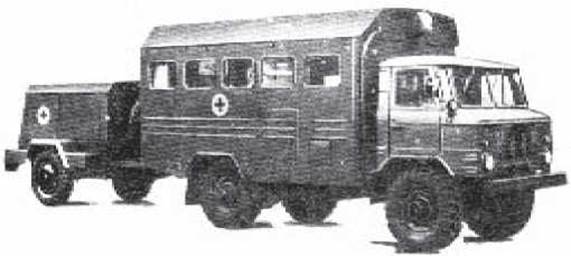
Fig. 2.1. Military Medical Laboratory (MML).
It consists of a laboratory compartment and a sterilization-preparation compartment housed in a special van body on an off-road vehicle chassis, along with an AB-8-T/230M 8 kW petrol-electric generator on a single-axle trailer chassis. Main equipment: BVKU-50 sterilizer, 2V-151 drying cabinet, two TK-37 thermostats, two KHATE-12 refrigerators, MLD-1 and MBD microscopes, MPKHL, LG-1, PCHO, DK-4 kits, PKHR-MV and DP-5M devices, Reagents, culture media, diagnostic preparations, laboratory tables with drawers for laboratory property, a fume hood-box with animal cages, and other laboratory equipment.
The laboratory is equipped with heating systems (two O-30 heaters), a Water supply system (a 100 L tank, a sink, an electric heater), an electrical system (powered by an external AC mains supply and a storage battery), and ventilation. The tactical and technical CHARACTERISTICS OF THE MML are given in Appendix 2.1.
The Field Medical Laboratory (FML) is designed to conduct medical reconnaissance, microbiological and sanitary-hygienic research, dosimetric measurements, and the indication of bacterial (biological) agents and chemical warfare agents in field conditions (Fig. 2.2).
The laboratory comprises a laboratory compartment and a sterilization-preparation compartment in a KUNG-1 van body on a ZIL-157 KE truck chassis, as well as a partitioned laboratory compartment in a KUNG-P2M van body on a trailer chassis. The trailer body is divided by a transverse partition into two compartments: a preparatory compartment (vestibule) at the rear and the laboratory compartment. The laboratory compartment is further divided into a bacteriological room and a sectioning room.
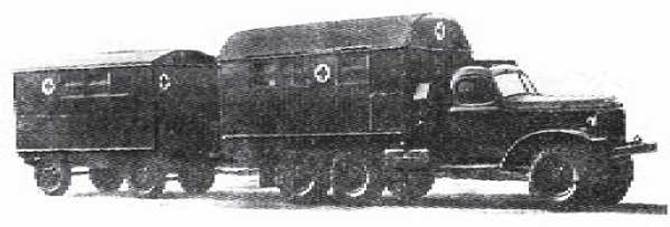
Fig. 2.2. Field Medical Laboratory (FML).
Main equipment: AKV-50 sterilizer, V-151 drying cabinet, TK-37 and TAL-37 thermostats, a fume hood, a desktop containment box, MLD-1 and MBD microscopes, MPKHL, DGN (LG-1) kits, DP-5M device, TK-3 thermal insulation container, AO-2 liquid sprayer, reagents, culture media, diagnostic preparations, a set of field furniture, eight packing crates for laboratory property, etc.
The FML van bodies are equipped with heating systems (OV-65 heaters), electrical systems (powered by an external AC mains supply and storage batteries), and ventilation.
The laboratory features an AB-1-0/230 petrol-electric generator. The tactical and technical characteristics of the FML are given in Appendix 2.2.
The Mobile Medical Laboratory (MML) is designed to conduct medical reconnaissance, microbiological and sanitary-hygienic research, dosimetric measurements, and the indication of biological agents and chemical warfare agents in field conditions (Fig. 2.3).
The laboratory includes a sterilization-preparation compartment in a K3.131 van body on an off-road vehicle chassis and a laboratory compartment in a KP-2 van body on a trailer chassis.
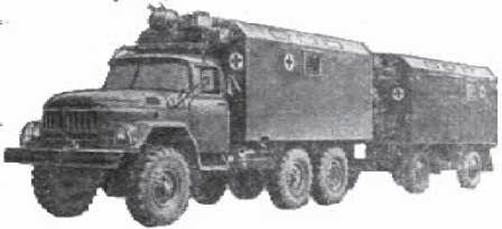
Fig. 2.3. Mobile Medical Laboratory (MML).
Main equipment: VKU-50 sterilizer, 2 V-151 drying cabinet, TK-37 and TAL-37 thermostats, a fume hood, KHATE-12 and "Morozko" refrigerators, MLD-1 and "Biolam D-11" microscopes, MPKHL, LG-1, DK-4 kits, AO-2 liquid sprayer, reagents, culture media, diagnostic preparations, laboratory tables with drawers for laboratory property, etc.
The van bodies are equipped with heating systems (OV-65 heaters), a water supply system (an 80 L tank and two 10 L tanks for cold and hot water, a FOOT pump, a washbasin), an electrical system (powered by an external 220 V AC mains supply and 6-ST-90 storage batteries), an FVUA-100-N12 filter-ventilation unit, and an intercom system.
The laboratory is equipped with an AB-4-0/230 MI 4 kW petrol-electric generator. The tactical and technical characteristics of the MML are given in Appendix 2.3.
Means of disinfection, disinfestation, and sanitization
The Aerosol Disinfection Generator (ADG) is designed for aerosol disinfection and disinfestation of residential and office premises, warehouses, storage facilities, railway cars, as well as for the disinfestation of small outdoor areas (Fig. 2.4).
The ADG aerosol generator consists of a combustion chamber, a gasoline tank, a float chamber, an air pump, an electronic ignition unit, a short nozzle, and a vaporizer nozzle, all mounted on a common frame. The disinfectant solution is fed from a plastic canister through a hose into the generator by a device for atomization.
The operation of the generator is based on THE PRINCIPLE OF pneumatic atomization of the disinfectant solution by a hot gas stream generated by the combustion of a gasoline-air mixture in the chamber. The tactical and technical characteristics of the ADG are given in Appendix 2.4.
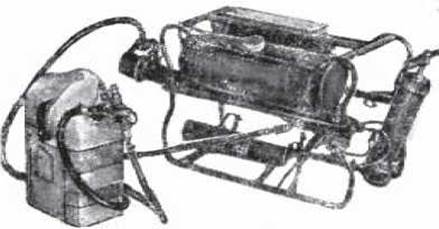
Fig. 2.4. Disinfectant aerosol generator (AGD).
The piston hydropulser (GS-2) is designed for spraying disinfectant liquids on indoor surfaces and in open areas (Fig. 2.5).
It consists of a stand, a pump with a piston, a vacuum chamber, a spray nozzle, and hoses. Due to the vacuum created in the pump chamber, the disinfectant liquid is drawn in from an external reservoir, and upon compression, it is expelled from the nozzle as an aerosol. The tactical and technical specifications of the GS-2 are given in Appendix 2.5.
The "Dezinfal" disinfectant liquid sprayer (D-39) is designed for the disinfection and disinfestation of small open areas and the surfaces of individual objects (Fig. 2.6).
It consists of a reservoir for the disinfecting solution. The operation of the sprayer is based on the principle of pneumatic liquid atomization. The tactical and technical specifications of the D-39 are given in Appendix 2.6.
The manual powder disinfectant sprayer (PR-3) is designed for treating indoor surfaces and objects located within them with powdered disinfectants (Fig. 2.7).
It consists of a reservoir for powdered disinfectants, a piston pump, an air supply tube leading to the reservoir, and a spray tube equipped with two nozzles—spherical and slotted. Powder dispersion occurs under the pressure generated within the operating volume of the pump.
The tactical and technical specifications of the PR-3 are given in Appendix 2.7.
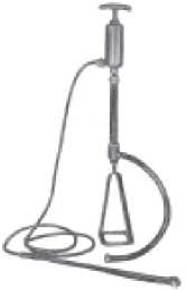
Fig. 2.5. Piston hydropulser (GS-2).
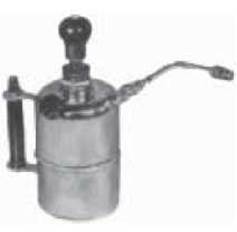
Fig. 2.6. "Dezinfal" disinfectant liquid sprayer (D-39).

Fig. 2.7. Manual powder disinfectant sprayer (PR-3).
The AO-2 liquid sprayer, also known as the Automax disinfection sprayer. The AO-2 is used for treating surfaces with disinfectant solutions both indoors and outdoors (Fig. 2.8).
The Automax consists of a disinfectant liquid reservoir, a pressure pump with a lid, a pressure gauge, a rubber hose, and a nozzle equipped with a spray tip and a valve. A shoulder strap is attached to the body for carrying the sprayer.
When the shut-off valve is opened, the disinfecting solution, pressurized within the reservoir, is expelled from the device through the hose, which terminates in a spray nozzle. The tactical and technical specifications of the AO-2 are given in Appendix 2.8.
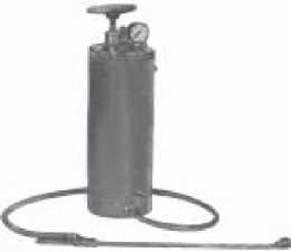
Fig. 2.8. AO-2 liquid sprayer.
Special mobile units for disinfection Treatment and personnel washing
For conducting personnel washing in field conditions and implementing anti-epidemic measures among troops, medical-Sanitary and epidemiological units are equipped with specialized technical means—disinfection and shower units (Tables 2.1, 2.2).
Table 2.1 Main tactical and technical data of disinfection and shower units
|
Indicators |
Types of disinfection and shower units |
|||
|
DDA-66 |
DDA-2 |
DDA-3 |
DDP-2 |
|
|
Total mass of the unit, kg |
5770 |
8250 |
14275 |
2260 |
|
Number of chambers, units |
1 |
2 |
2 |
1 |
|
Volume of a single chamber, m3 |
2,5 |
2,5 |
2,4 |
1,8 |
|
Diesel fuel consumption, kg/h |
23,5 |
42 |
47 |
23,5 |
|
Deployment time, min: in summer; |
40 |
45 |
50 |
40 |
|
in winter; |
60 |
60 |
60 |
60 |
|
Number of people washing simultaneously |
12 |
36 |
36 |
12 |
|
Operating personnel, persons |
3 |
3 |
3 |
2 |
Table 2.2 Hourly capacity of disinfection and shower units
|
Measures |
Types of disinfection and shower units |
|||
|
DDA-66 |
DDA-2 |
DDA-3 |
DDP-2 |
|
|
Hygienic washing of personnel |
56/32 |
144/96 |
144/96 |
48/36 |
|
Sanitary treatment of personnel with disinfection of wool-cotton uniforms, persons |
56/32 |
144/80 |
144/90 |
48/36 |
|
Sanitary treatment of personnel with disinfection of wool-cotton uniforms contaminated with vegetative microbial forms, persons |
40/28 |
96/72 |
96/72 |
32/22 |
|
Disinfestation of wool-cotton uniforms, sets |
90/60 |
180/120 |
240/96 |
75/45 |
|
Disinfection of wool-cotton uniforms, sets |
86/48 |
160/96 |
192/96 |
32/22 |
|
Disinfection of wool-cotton uniforms contaminated with spore-forming microbial forms, sets |
40/24 |
80/48 |
80/32 |
13/9 |
Notes: 1. The numerator indicates summer figures, while the denominator represents winter figures. 2. The capacity of the units when operating the boiler on wood is reduced by 30-40 %.
The disinfection and shower unit (DDP-2) is designed for hygienic washing of personnel with full sanitary treatment, as well as for the disinfection and disinfestation of uniforms in field conditions (Fig. 2.9).
The unit is mounted on a single-axle car trailer and consists of an RI-5M steam boiler, feeding devices (the "Rodnyk" hand pump and an IP-4 injector), a shower assembly with six showerheads, a disinfection chamber, a piping system, and a spare parts kit. The tactical and technical characteristics of the DDP-2 are given in Appendix 2.9.
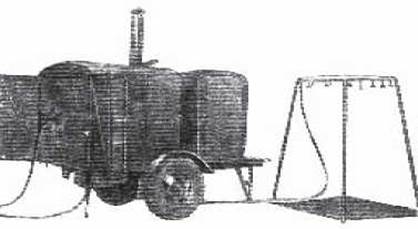
Fig. 2.9. Disinfection and shower unit (DDP-2).
The disinfection and shower unit (DDA-2) is designed for hygienic washing of personnel with full sanitary treatment, as well as for the disinfection and disinfestation of uniforms in field conditions (Fig. 2.10).
The unit is mounted on a truck chassis in a special body partitioned into boiler, chamber, and utility compartments. It comprises a KD-4-00 boiler, feeding devices (a BKF-2 hand pump, an IP-4 injector), a shower assembly, two disinfection chambers, an AB-1-0/230 petrol-electric generator, an MP-600 motor pump, a TSV-1200 cistern, a piping system, and a kit of accessories and spare parts. The tactical and technical characteristics of the DDA-2 are given in Appendix 2.10.
The disinfection and shower unit (DDA-3) is designed for hygienic washing of personnel with full sanitary treatment, as well as for the disinfection and disinfestation of uniforms in field conditions (Fig. 2.11).
The unit consists of a boiler compartment (two RI-5M steam boilers, a hand pump, and an IP-4 injector) and two disinfection chambers housed in a special body on a truck chassis; a shower assembly with 18 showerheads, an AB-4-T/230MI petrol-electric generator, a 2KM-6b cantilever pump, three OV-95 heating and ventilation units, three UZ-68 (UST-56) tents, a TSE-1200 cistern, a DK-4-63 degassing kit, and a spare parts kit housed in a special body on a twin-axle trailer chassis. The tactical and technical characteristics of the DDA-3 are given in Appendix 2.11.
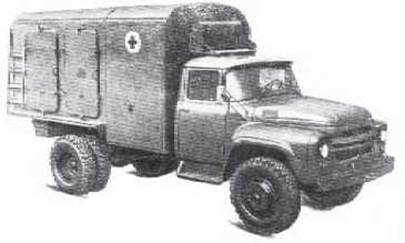
Fig. 2.10. Disinfection and shower unit (DDA-2).
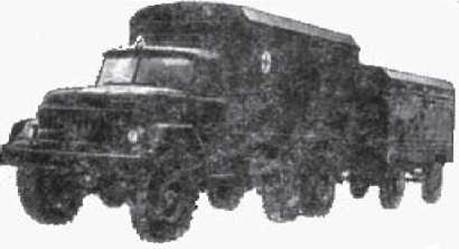
Fig. 2.11. Disinfection and shower unit (DDA-3).
The disinfection and shower unit (DDA-66) is designed for hygienic washing of personnel with full sanitary treatment, as well as for the disinfection and disinfestation of uniforms in field conditions (Fig. 2.12).
The unit is mounted on a truck chassis in a special body partitioned into boiler, chamber, and utility compartments. It consists of an RI-5M steam boiler, feeding devices (a hand pump, an IP-4 injector), a shower assembly, a disinfection chamber, an AB-0.5-0/230 type petrol-electric generator, an MP-600 motor pump, a TSV-1200 cistern, a DK-4-63 degassing kit, a piping system, and a spare parts kit. The tactical and technical characteristics of the DDA-66 are given in Appendix 2.12.
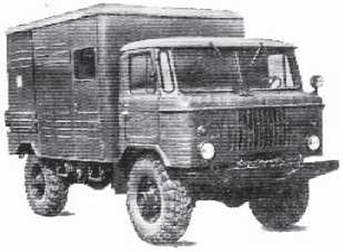
Fig. 2.12. Disinfection and shower unit (DDA-66).
Last update: 10/08/2026
Editorial and Educational Adaptation: This material has been compiled based on the primary/original source text. The project team performed an editorial review, corrected technical inaccuracies, structured sections, and adapted the content for an educational format.
What was processed:
- elimination of formatting defects (OCR errors, structural breaks, corrupted characters);
- editorial organization of content;
- standardization of terminology in accordance with academic sources;
- verification of factual statements against the original source text.
All mentions of the author, publication year, and origin of the primary text have been preserved in accordance with the source.