Human Biochemistry Volume 1 - Murray R. 1993
Structure and Functions of Proteins and Enzymes
Amino Acids
General Chemical Reactions
The carboxyl and amino groups of Amino Acids participate in all reactions characteristic of these groups, namely salt formation, Esterification, and acylation.
Color reactions
Ninhydrin (Fig. 3.5) effects The oxidative decarboxylation of a-amino acids, yielding CO2, NH3, and an aldehyde containing one less carbon atom than the parent amino acid. The reduced ninhydrin subsequently reacts with the released ammonia to form a blue complex with an absorption maximum at Vmах = 570 nm. The formation of this colored compound is utilized in a quantitative assay for a-amino acids, capable of detecting amino acid quantities as low as 1 µg. Ninhydrin reacts not only with a-amino acids but also with other amines, likewise producing a blue color, albeit without the evolution of CO2. Thus, the release of CO2 serves as an indicator that an a-amino acid is involved in the reaction. NH3 and Peptides also react, though less readily than a-amino acids. The reaction product of Proline (or 4-hydroxyproline) with ninhydrin is yellow.
Class="center">
Fig. 3.5. Ninhydrin.
Table 3.3. L-a-amino acids found in Proteins1)


1) With the exception of hydroxylysine (Hyl) and hydroxyproline (Hyp), which are incorporated into the polypeptide chain as Lysine and proline, respectively, and subsequently hydroxylated (see Chapters 29 and 54). Specific tRNAs exist for all amino acids listed in the table, ensuring that their incorporation into proteins is under direct Genetic control.
2) Cystine consists of two Cysteine residues linked by a disulfide bond:
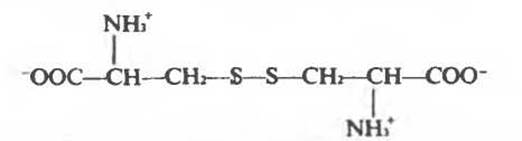
Table 3.4. Selected a-amino acids not found in proteins but playing a vital role in METABOLISM

Table 3.5. Selected amino acids lacking a-amino groups that play an essential role in mammalian metabolism

Fluorescamine (Fig. 3.6) is an even more sensitive reagent that allows the detection of amino acids at the nanogram level. Like ninhydrin, it forms a complex not only with amino acids but also with other amines.
Formation of peptide bonds
The most important reaction involving amino acids is the formation of peptide bonds, a process that releases one molecule of Water (Fig. 3.7). However, the reaction does not proceed as depicted in the figure, because the equilibrium strongly favors the Hydrolysis of the peptide bond. For a peptide bond to form between Two amino acids, the carboxyl group must first be activated. Chemical synthesis is achieved by prior conversion to an acyl chloride. Biological activation involves interaction with ATP.
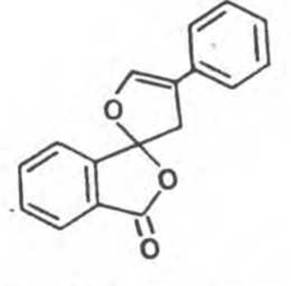
Fig. 3.6. Fluorescamine.

Fig. 3.7. Joining of amino acids via a peptide bond (shaded region).
Last update: 06/08/2026
Editorial and Educational Adaptation: This material has been compiled based on the primary/original source text. The project team performed an editorial review, corrected technical inaccuracies, structured sections, and adapted the content for an educational format.
What was processed:
- elimination of formatting defects (OCR errors, structural breaks, corrupted characters);
- editorial organization of content;
- standardization of terminology in accordance with academic sources;
- verification of factual statements against the original source text.
All mentions of the author, publication year, and origin of the primary text have been preserved in accordance with the source.