BIOCHEMISTRY - Key Regulators and Biological Fluids of the Human Body - 2016
3. NUCLEIC ACIDS
3.3. Nucleic Acid Metabolism
3.3.1. Digestion and Absorption of Nucleic Acids
The Human Body ingests about 1 g of Nucleic Acids with food daily. Their Digestion takes place in the Small Intestine. First, dietary nucleic acids (DNA and RNA) are converted into mononucleotides by the action of pancreatic juice Enzymes (DNAases and RNAases). Subsequently, under METABOLISM/18.html">The Influence of intestinal juice enzymes, phosphoric acid is cleaved from the mononucleotides to form nucleosides. Some of the nucleosides may then be broken down into nitrogenous bases and CARBOHYDRATES.
The products of nucleic acid digestion (nitrogenous bases, carbohydrates, phosphoric acid, and unhydrolyzed nucleosides) are absorbed into the bloodstream, transported via the portal vein to the Liver, and then distributed to other Organs.
3.3.2. Catabolism of Nucleic Acids
In body Cells, intensive metabolism occurs almost exclusively for RNA. Metabolic transformations of DNA proceed very slowly and mainly only during Cell Division in growing and regenerating Tissues.
During degradation, intracellular nucleic acids are sequentially converted into mononucleotides, nucleosides, phosphoric acid, nitrogenous bases, and carbohydrates.
Further, during Catabolism, purine nitrogenous bases are deaminated (losing an amino group in the form of ammonia), oxidized, and converted into uric acid (see section 4.5 below).
Class="center">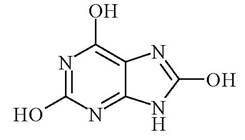
Uric acid formation takes place in the liver. The rate of overall nucleic acid degradation in the body is assessed by measuring The excretion of uric acid in the urine.
Pyrimidine bases undergo more extensive degradation down to СO2, Н2O, and NH3.
Carbohydrates (ribose and deoxyribose) enter the Pentose Phosphate Pathway of carbohydrate degradation and are converted into glucose (see Part 1 of this manual, Section 3).
Phosphoric acid does not undergo degradation. It can be reused in phosphorylation and phosphorolysis reactions or excreted in the urine if present in excess.
3.3.3. Nucleotide Synthesis
All body cells are capable of synthesizing the nucleic acids they need on their own; Dietary intake of nucleic acids (or their constituent parts) is not required.
The Synthesis of purine and pyrimidine NUCLEOTIDES is based on ribose-5-phosphate, which is formed from glucose via The pentose phosphate pathway (see Part 1 of this manual, Section 3). Amino Acids (Glycine, glutamine, aspartic acid) and Vitamins (Folic acid, biotin) take part in building the purine or pyrimidine base fragment of the synthesized nucleotides.
An intermediate product in the synthesis of purine nucleotides is inosinic acid, which contains an unusual nitrogenous base — hypoxanthine.

The synthesis of pyrimidine nucleotides is preceded by The formation of an unusual nitrogenous base — orotic acid, which contains a pyrimidine ring.

Orotic acid is a component of all living cells. It also participates in various metabolic processes within the human body.
Last update: 06/08/2026
Editorial and Educational Adaptation: This material has been compiled based on the primary/original source text. The project team performed an editorial review, corrected technical inaccuracies, structured sections, and adapted the content for an educational format.
What was processed:
- elimination of formatting defects (OCR errors, structural breaks, corrupted characters);
- editorial organization of content;
- standardization of terminology in accordance with academic sources;
- verification of factual statements against the original source text.
All mentions of the author, publication year, and origin of the primary text have been preserved in accordance with the source.