Tuberculosis - I.T. Pyatnochka 2005
Methods of examination of tuberculosis patients
Tuberculin diagnosis
Tuberculin Skin tests are a specific diagnostic test based on the ability of tuberculin to induce delayed-type hypersensitivity inflammatory reactions in individuals sensitized by Mycobacterium tuberculosis (MTB). They are used for mass tuberculosis screening in children and adolescents, as well as for Diagnosis, Cytology/practical/136.html">Differential diagnosis OF tuberculosis, and assessing The activity of the pathological process.
Tuberculin was first produced by Robert Koch in 1890; this preparation later became known as Koch's Old Tuberculin (Alt Tuberculin Koch - ATK). It is supplied in ampoules as a 100% solution and appears as a dark brown liquid containing, alongside specific active substances (tuberculoproteins), MTB metabolic products, cellular elements, and the culture medium.
In 1934, F. Seibert obtained a more specific (lyophilized) tuberculin preparation—Purified Protein Derivative (PPD-S)—by growing mycobacteria on a synthetic protein-free medium. In the former USSR in 1939, M.A. Linnikova obtained an analogous preparation named PPD-L. A single ampoule contains 50,000 TU of dry purified tuberculin. The diluent is an isotonic sodium chloride solution with The addition of 0.25% carbolic acid. The shelf life is 5 years when stored in a dark place at a Temperature of +4 °C.
In Ukraine, PPD is manufactured as a ready-to-use solution, rendered sterile by the inclusion of 0.01% quinosol. The solution is packaged in 3 ml ampoules (30 doses) or 5 ml vials (50 doses). Each 0.1 ml dose contains 2 TU. To stabilize the biological activity of the solution, 0.005 g of Tween-80 is added. According to the WHO international standard, 1 TU contains 0.0006 mg of PPD-L or 0.00002 mg of PPD-S.
Tuberculin is a hapten (incomplete antigen) and therefore does not induce antibody production, yet it elicits a reaction in an Organism sensitized by a complete antigen (MTB, BCG vaccine strain).
Depending on the route of administration, tuberculin tests include the cutaneous von Pirquet test (1907), the intradermal Mantoux test (C. Mantoux, 1910; F. Mendel, 1909), and the subcutaneous Koch test (1890).
The Mantoux test is used for mass tuberculosis screening, whereas the Koch test is employed in clinical settings for diagnostic purposes and to assess the activity of the tuberculous process. The von Pirquet test has lost its diagnostic value and is now rarely used.
The body's reaction to tuberculin is based on a delayed-type hypersensitivity (DTH) immunological response. Following MTB infection (vaccination or revaccination), hypersensitivity to tuberculin develops, on average, in 6–8 weeks. The intensity of the tuberculin reaction depends on the degree of specific sensitization and reactivity of the organism, as well as on various endogenous and exogenous factors. Tuberculin testing is divided into mass and individual screening. The objectives of mass tuberculin testing are:
1. early detection of tuberculosis;
2. identification of individuals with an increased risk of developing tuberculosis;
3. Selection of candidates for BCG revaccination;
4. Determination of the infection rate in the population with MTB;
5. differential diagnosis between infectious and post-vaccination allergy.
To achieve these objectives, the Mantoux test with 2 TU of purified tuberculin in standard dilution is administered. A sterile 1 ml syringe and a single-use needle are used for this purpose. Using a long needle, 0.2 ml of tuberculin is drawn, after which the needle is replaced with a short one, and the tuberculin is expelled to the 0.1 ml mark. The skin on the middle third of the inner forearm is wiped with 70° alcohol, stretched, and with the needle bevel facing upward, 0.1 ml (2 TU) of the tuberculin solution is injected intradermally.
The results of the Mantoux test, evaluated after 72 hours, may be interpreted as follows:
1. negative - absence of infiltrate or only a needle mark up to 1 mm;
2. doubtful - infiltrate with a diameter of 2–4 mm or hyperemia only;
3. positive - infiltrate measuring 5 mm or more (Fig. 10);
4. hyperergic - in children and adolescents, an infiltrate of 17 mm or more; in adults, 21 mm or more; as well as reactions in any age group accompanied by vesicles, necrosis, or lymphangitis, regardless of the infiltrate size.
When using the needle-free jet injection method, the size of the infiltrate is 2 mm smaller than that produced by a tuberculin needle, and the reaction is interpreted accordingly.
For the purpose of early Tuberculosis detection and identifying a tuberculin conversion ("virage"), the Mantoux test with 2 TU is performed annually on all children starting from 12 months of age and on adolescents, regardless of the previous result. In even-numbered years, the test is performed on the right forearm, and in odd-numbered years, on the left, at the same time of year (preferably in autumn).
Contraindications for mass Mantoux testing include skin diseases, acute and chronic infectious diseases (at least two months after the disappearance of clinical symptoms), allergic conditions, Bronchial Asthma, idiosyncrasy with pronounced skin manifestations, acute and subacute phases of rheumatism, and Epilepsy. Mantoux testing is not performed in children's groups during quarantine for infectious diseases. Furthermore, the interval between various preventive vaccinations and the Mantoux test must be at least one month.
Class="center">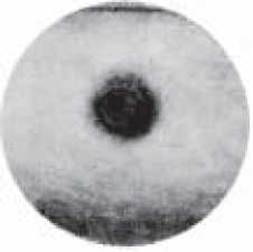
Fig. 10. Positive Mantoux test with 2 TU
For the differential diagnosis of infectious and post-vaccination allergy, the following information should be considered:
1. the child's health status and history of contact with a tuberculosis patient;
2. whether the BCG vaccine was administered, and the date of the last vaccination;
3. the intensity of the tuberculin reaction during the latest examination and in previous years.
Post-vaccination allergy is typically characterized by: negative, doubtful, or positive reactions with an infiltrate size of 5–11 mm; rarely, an infiltrate of 12–16 mm (in children and adolescents with a vaccination scar of 6–9 mm); the reaction is most pronounced 1–1.5 years after vaccination, subsequently decreasing gradually.
Infectious allergy: a newly positive reaction (5 mm or greater) in children unvaccinated in the preceding year; persistent retention of a tuberculin reaction with an infiltrate size of 12 mm or greater over several years; an increase in the intensity of previously doubtful or positive tuberculin reactions by 6 mm or more; hyperergic reactions (Table 2).
Contact with a tuberculosis patient, combined with a newly registered positive Mantoux test and clinical signs of the disease, indicates primary M. tuberculosis infection (tuberculin conversion), tuberculous intoxication, or even a localized specific process.
Table 2 Characteristics of infectious and post-vaccination tuberculin reactions
|
Infectious allergy |
Post-vaccination allergy |
|
Newly positive reaction (5 mm or greater) in children unvaccinated in the previous year. Hyperergic reactions. Persistent retention of a tuberculin reaction with an infiltrate size of 12 mm or greater over several years. An increase in the intensity of previously doubtful or positive tuberculin reactions by 6 mm or more, or an increase of less than 6 mm accompanied by The formation of an infiltrate with a diameter of 12 mm or greater. |
Negative, doubtful, or positive reactions with an infiltrate size of 5–11 mm. Rarely, an infiltrate measuring 12–16 mm (in children and adolescents with large vaccination scars measuring 6–9 mm). The reaction is most pronounced 1–1.5 years post-vaccination (rarely after 2 years), followed by a gradual decrease. |
Tuberculin conversion is the initial appearance of a positive tuberculin reaction following a negative one within a single year, or an increase in the reaction by 6 mm or more in individuals vaccinated with BCG.
All children with tuberculin conversion must be thoroughly evaluated for tuberculosis, as should long-term infected children and adolescents presenting with hyperergic tuberculin reactions or an increasing sensitivity to tuberculin (by 6 mm or more).
Individual tuberculin skin testing. Depending on the clinical indications, individual tuberculin testing utilizes the Mantoux test with 2 TU, as well as various other doses of tuberculin. Primarily, the Mantoux test with 2 TU is significant for children and adolescents; in adults, hyperergic Mantoux results in isolated cases indicate active tuberculosis, whereas negative results indicate the absence of tuberculosis, occasionally necessitating the Koch test (10–100 TU). A negative reaction to 100 TU of tuberculin allows tuberculosis infection to be ruled out with a 97–98% probability. The Koch test is performed for diagnostic and differential diagnostic purposes, as well as to determine the activity of the tuberculous process.
Prior to the Koch test, a Mantoux test with 2 TU is administered to establish the tuberculin titer. Subsequently, tuberculin at a dose ranging from 10 to 100 TU (typically 10–20 TU for children and adolescents, and 20–50 TU for adults) is injected subcutaneously near the lower angle of the scapula or in the upper third of the outer surface of the arm, after wiping the skin with 70° ethanol. Two to three days prior, daily complete Blood counts are performed, bronchial lavage fluid is sampled for M. tuberculosis, and body temperature is measured every 4 hours; serum protein fractions are determined the day before the Koch test. Twenty-four, forty-eight, and seventy-two hours following the subcutaneous tuberculin injection, the same assessments as those preceding the injection are repeated. Radiological examinations before and after the Koch test (at 48 hours and on day 7) are performed depending on the localization of the process.
The results of the Koch test are evaluated at 24, 48, and 72 hours based on local, focal, and systemic reactions. The local reaction is considered positive when a subcutaneous infiltrate of 15 mm or greater develops; the focal reaction is indicated by an increased inflammatory response at the site of the specific lesion; the systemic reaction is characterized by a deterioration in the patient's general condition, an elevation in body temperature (by at least 0.5 °C), joint pain, headache, increased sweating, as well as Changes in the complete blood count and serum protein fractions (every parameter deviating by at least 20% from baseline values is taken into account). Simultaneous changes in at least 3–4 parameters are considered diagnostically significant.
CONTROL QUESTIONS
1. What is tuberculin, its composition, available forms, and METABOLISM/2.html">THE CONCEPT OF the tuberculin unit (TU).
2. The concept of tuberculin test "conversion".
3. Types of tuberculin tests.
4. The Mantoux test: technique and result evaluation.
5. The concepts of mass and individual tuberculin skin testing, their purpose, and the tuberculin tests utilized.
6. Contraindications for the Mantoux test.
7. The Koch test: indications, performance technique, and result evaluation.
8. What bodily reactions may be observed following subcutaneous tuberculin administration.
9. Differences between post-vaccination and infectious tuberculin reactions.
TESTS
1. Which tuberculin and at what dosage is used for mass tuberculin skin testing?
A. 100% Koch's old tuberculin
B. PPD-L in standard dilution at a dose of 2 TU
C. PPD-L in standard dilution at a dose of 5 TU
D. PPD-L in standard dilution at a dose of 10 TU
E. 25% dilution of purified dry tuberculin
2. The body's sensitivity to tuberculin can be enhanced by:
A. old age
B. Hodgkin's lymphoma
C. lymphosarcoma
D. immunosuppressive therapy
E. bronchial asthma.
3. Koch's test is used for:
A. tuberculosis Prevention
B. early detection of tuberculosis
C. determining The rate of tuberculosis infection in the population
D. differential diagnosis of tuberculosis
E. identifying individuals at high risk for tuberculosis.
4. In a two-year-old child, the reaction to the Mantoux test with 2 TU is a 7 mm papule, and at four years of age, it is 3 mm. The post-vaccination scar is 4 mm in size. Determine The Nature of the reaction to tuberculin.
A. Infectious allergy
B. Conversion of tuberculin reaction ("virage")
C. The child has tuberculosis
D. Post-vaccination allergy
E. Mantoux reaction is doubtful
5. At what age and at what intervals is mass tuberculin skin testing performed?
A. From twelve months of age, annually
B. From twelve months of age, once every 2–3 years
C. Only at 7 and 14 years of age
D. From 7 years of age, annually until 14 years of age
E. From 7 years of age, every 5 years up to 30 years of age
6. WHAT IS A tuberculin reaction "conversion" (virage)?
A. Transition from a negative tuberculin reaction to a positive one following BCG Vaccination
B. Transition from a negative tuberculin reaction to a positive one following BCG revaccination
C. Change in tuberculin sensitivity due to primary infection with Mycobacterium tuberculosis
D. Appearance of a hyperergic tuberculin reaction in individuals infected with tuberculosis
E. Negative tuberculin reaction in severely ill tuberculosis patients
7. What is the purpose of mass tuberculin skin testing:
A. for the prevention of MTB infection
B. for the Prevention of tuberculosis
C. for the early detection of tuberculosis in children
D. for the early detection of tuberculosis in adults
E. for the identification of individuals with an increased risk of developing tuberculosis
8. A 6-year-old boy, K., shows a tuberculin reaction conversion. What examinations should be performed?
A. General clinical examination, chest X-ray, complete blood count, and urinalysis
B. Koch's test, complete blood count, and urinalysis
C. Fluorography, complete blood count, and urinalysis
D. Tomography, throat swab Cell/15.html">Microscopy for MTB
E. Fibrobronchoscopy, examination of bronchial secretions for MTB
9. A 9-year-old girl, V., has been diagnosed with a tuberculin conversion. Clinical, radiological, and laboratory examinations reveal no pathological changes. What is your management strategy for this girl?
A. Repeat the Mantoux test with 2 TU in 1 year
B. Hospitalize in a tuberculosis inpatient facility
C. Administer a three-month course of isoniazid Chemoprophylaxis along with vitamin B
D. Follow up at the tuberculosis dispensary for 1–2 years
E. Consider the girl healthy and take no preventive measures.
10. When performing differential diagnosis between infectious and post-vaccination tuberculin reactions, the following is not taken into account:
A. history of contact with tuberculosis patients
B. intensity of the Mantoux test reaction in previous years
C. presence of a post-vaccination scar D. timing of the BCG vaccination
E. Carbon monoxide poisoning several years ago
11. A positive reaction to the tuberculin skin test with 2 TU on the forearm may present as:
A. an infiltrate measuring 5–16 mm
B. an infiltrate with a central vesicle
C. hyperemia exceeding 5 mm
D. an infiltrate measuring more than 16 mm
E. an infiltrate measuring 2–4 mm
12. Which of the following conditions can decrease the body's sensitivity to tuberculin?
A. Catarrhal otitis media
B. Allergic rhinitis
C. Bronchial asthma
E. Measles
PROBLEMS
1. A 5-year-old child presents with a Mantoux test reaction (using 2 TU) showing a 6 mm infiltrate. The child has never been vaccinated before. A year ago, the tuberculin skin test was negative.
a) The Nature of the tuberculin reaction;
b) its origin;
c) the pediatrician's management strategy for the child.
Answer: a) positive Mantoux test; b) infectious ("conversion"); c) refer to a phthisiatrician.
2. A 3-year-old boy, at 4 and 5 years old, had a Mantoux test with 2 TU showing an infiltrate of 7 and 4 mm, respectively. At 6 years old, the infiltrate diameter is 12 mm. Vaccinated in the maternity hospital.
a) Determine the nature of the positive tuberculin reaction;
b) on what basis was the Conclusion made;
c) management of the child by a phthisiatrician.
3. A 16-year-old girl has a Mantoux test reaction with 2 TU showing an 8 mm infiltrate. BCG revaccination was performed at 14 years of age; general condition is good.
a) Determine the nature of the tuberculin reaction;
b) substantiate your conclusion.
4. Child K., 7 years old, has a Mantoux test reaction with 2 TU showing an 11 mm infiltrate. Vaccinated in the maternity hospital. Post-vaccination scar is 3 mm. At 6 years of age, the tuberculin reaction was 4 mm. There is no history of tuberculosis in the family.
a) What does the positive Mantoux test indicate?
b) Is BCG revaccination permissible?
5. During tuberculin skin testing in a 4-year-old child, a tuberculin reaction "conversion" was established.
a) Where should the child be referred?
b) Scope of examination;
c) is it advisable to examine the child's family members?
6. There are 360 children studying at school who need to undergo tuberculin skin testing. Calculate the required amount of tuberculin for the testing.
7. A 4-year-old child has a Mantoux test reaction with 2 TU showing an 18 mm infiltrate. Vaccinated in the maternity hospital. At 3 years of age, the tuberculin reaction was 5 mm.
a) Determine The Nature and character of the tuberculin reaction;
b) physician's management regarding the child.
8. During a Mantoux test with 2 TU in 30 fourth-year students, one of them showed a 12 mm infiltrate with a central vesicle and lymphangitis extending to the cubital Lymph Nodes.
a) Determine the character and nature of the tuberculin reaction;
b) physician's management regarding this student.
9. Out of 30 children, one suffers from bronchial asthma, one underwent an appendectomy 6 months ago, three have rhinitis and low-grade fever, and one suffers from epilepsy.
a) Specifically indicate the children who are subject to mass tuberculin skin testing;
b) for whom is it contraindicated?
c) Management tactics for children for whom tuberculin skin testing is contraindicated.
Last update: 10/08/2026
Editorial and Educational Adaptation: This material has been compiled based on the primary/original source text. The project team performed an editorial review, corrected technical inaccuracies, structured sections, and adapted the content for an educational format.
What was processed:
- elimination of formatting defects (OCR errors, structural breaks, corrupted characters);
- editorial organization of content;
- standardization of terminology in accordance with academic sources;
- verification of factual statements against the original source text.
All mentions of the author, publication year, and origin of the primary text have been preserved in accordance with the source.