Orthopedics - Oleksa A.P. 2006
Osteoarticular Tuberculosis
Osteoarticular Tuberculosis of Other Localizations
Tuberculous lesions of Bones and joints in other sites are rare and can occur in practically any part of the Skeleton (Ribs, Sternum, BONES OF THE FOOT or hand) (Fig. 390). The clinical manifestations, course, and Treatment do not differ from those of other localizations of osteoarticular tuberculosis. However, when the tuberculous lesion is localized in the tarsal or Carpal Bones, multiple joints (panarthritis) and small bones are simultaneously involved, which poses certain challenges in achieving successful outcomes with conservative and Surgical treatment.
Class="center">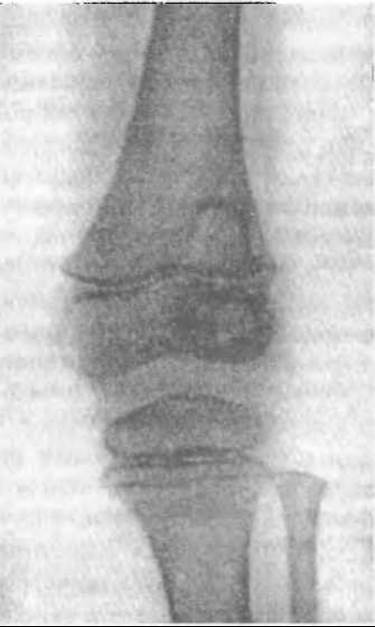
Fig. 390. Radiograph showing a tuberculous lesion of the lateral process of the Femur.
Panarthritis typically results in ankylosis. To ensure the hand remains in a functionally advantageous position, it should be properly immobilized using a plaster cast or a compression-distraction device that provides stable fixation of the carpal bones while preserving finger mobility.
Stable fixation combined with antibacterial therapy should be considered the optimal treatment approach for panarthritis of the carpal and Metatarsal Bones.
In cases of bone destruction in the carpus, which is frequently accompanied by tuberculous tenosynovitis, surgical intervention is required. Depending on the severity of the lesion, arthrodesis is performed between the carpal bones or with the radius, or, following their resection, the Metacarpal bones are arthrodesed to the radius. Tenosynovectomy should be performed concurrently.
Following inpatient treatment, patients are referred to specialized sanatoriums where they continue to receive antibacterial therapy, are provided with a nutritious five-meal-a-day diet, and undergo cast changes as needed.
Last update: 10/08/2026
Editorial and Educational Adaptation: This material has been compiled based on the primary/original source text. The project team performed an editorial review, corrected technical inaccuracies, structured sections, and adapted the content for an educational format.
What was processed:
- elimination of formatting defects (OCR errors, structural breaks, corrupted characters);
- editorial organization of content;
- standardization of terminology in accordance with academic sources;
- verification of factual statements against the original source text.
All mentions of the author, publication year, and origin of the primary text have been preserved in accordance with the source.