MEDICAL BIOLOGY, HUMAN ANATOMY, PHYSIOLOGY AND PATHOLOGY - Ya.I. Fedoniuk 2010
BIOLOGY
SECTION 1. BIOLOGICAL FOUNDATIONS OF HUMAN VITAL ACTIVITY
1.3. MOLECULAR-GENETIC AND CELLULAR LEVELS OF LIFE ORGANIZATION
1.3.2. Structural, chemical, and functional organization of eukaryotic cells
Structure OF THE Interphase Nucleus
The Nucleus exists in two states: mitotic (during division) and interphase (between divisions). A non-dividing nucleus (the interphase nucleus) consists of the nuclear envelope, nucleolus, karyoplasm, and Chromatin (Fig. 1.33).
Class="center">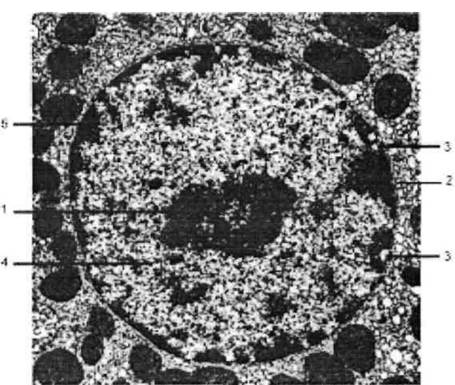
Fig. 1.33. Structure of the interphase nucleus
The nuclear envelope consists of two membranes (outer and inner) separated by the perinuclear space and perforated with openings (nuclear pores). The outer membrane is continuous with the channels of the granular Endoplasmic reticulum and, like the latter, bears Ribosomes. Heterochromatin regions of Chromosomes are associated with the inner membrane. The Main Functions of the nuclear envelope are: 1) separating the nuclear contents from the Cytoplasm (barrier function); 2) regulating the Cell/33.html">Transport of Macromolecules between the nucleus and the cytoplasm. Specifically, Proteins (histone and non-histone) synthesized in the cytoplasm are transported into the nucleus, whereas RNA and ribosomal subunits synthesized in the nucleus are transported into the cytoplasm. During prophase of mitosis, the nuclear envelope breaks down into membrane vesicles and reforms during telophase.
The nucleolus is the site of ribosomal RNA and ribosomal subunit synthesis. It is the densest structure of the Cell Nucleus, containing a high concentration of RNA. Nucleoli are not independent nuclear structures, but rather chromosome derivatives. They disappear at the onset of Cell Division and reform at the end of division on the nucleolar organizers of chromosomes, which are located in the secondary constriction zones of certain chromosomes. The DNA of nucleolar organizers contains multiple (several hundred) copies of rRNA genes.
Karyoplasm (karyolymph, nuclear sap) is the fluid matrix of the nucleus, which plays a vital role in metabolic processes and in maintaining the overall structure of the nucleus.
Last update: 08/08/2026
Editorial and Educational Adaptation: This material has been compiled based on the primary/original source text. The project team performed an editorial review, corrected technical inaccuracies, structured sections, and adapted the content for an educational format.
What was processed:
- elimination of formatting defects (OCR errors, structural breaks, corrupted characters);
- editorial organization of content;
- standardization of terminology in accordance with academic sources;
- verification of factual statements against the original source text.
All mentions of the author, publication year, and origin of the primary text have been preserved in accordance with the source.