MEDICAL BIOLOGY, HUMAN ANATOMY, PHYSIOLOGY AND PATHOLOGY - Ya.I. Fedoniuk 2010
ANATOMY, PHYSIOLOGY, PATHOLOGY
CHAPTER 5. BLOOD AND LYMPH CIRCULATION AND ITS PATHOLOGY
VESSELS OF THE SYSTEMIC CIRCULATION
2. VEINS OF THE SYSTEMIC CIRCULATION
2.3. HEPATIC PORTAL SYSTEM
The portal vein (of the Liver), v. portae (hepatis), is formed by the Veins of unpaired
abdominal Organs: The Stomach, small and large intestines (except for the anal canal), Spleen, and Pancreas. The main tributaries of the portal vein are the superior and inferior mesenteric veins and the splenic vein (Fig. 5.36), which merge behind the HEAD of the pancreas. The portal vein is located within the thickness of the hepatoduodenal ligament, posterior to the hepatic artery and the common Bile duct. Within this ligament, it enters the porta hepatis, where it divides into right and left branches. These branches ramify into smaller vessels within the hepatic parenchyma, giving rise to sinusoidal capillaries (see "Liver"). Venous Blood from the liver drains into the INFERIOR VENA CAVA via the hepatic veins.
Class="center">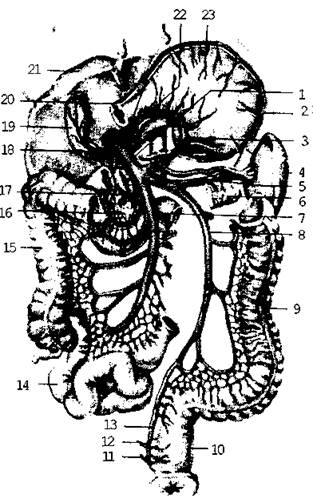
Fig. 5.36. Portal vein and its tributaries
Last update: 08/08/2026
Editorial and Educational Adaptation: This material has been compiled based on the primary/original source text. The project team performed an editorial review, corrected technical inaccuracies, structured sections, and adapted the content for an educational format.
What was processed:
- elimination of formatting defects (OCR errors, structural breaks, corrupted characters);
- editorial organization of content;
- standardization of terminology in accordance with academic sources;
- verification of factual statements against the original source text.
All mentions of the author, publication year, and origin of the primary text have been preserved in accordance with the source.