GENERAL MICROBIOLOGY - T.P. Pyrog - 2004
11. MAIN MECHANISMS OF METABOLISM AND ENERGY CONVERSION IN MICROORGANISMS
11.4. THE ROLE OF ENZYMES IN METABOLISM. MICROBIAL ENZYMES
Chemical transformations of substances within a Cell (metabolic reactions) are carried out by means of Enzymes. A specific enzyme is responsible for each conversion of one metabolite into another. Enzymes are Proteins characterized by a catalytic function.
An enzymatic reaction begins with the binding of a specific metabolite (substrate) to an enzyme. Each enzyme interacts with only one substrate, demonstrating strict substrate Specificity. Substrate recognition by the enzyme occurs during the binding process. The substrate attaches exclusively to a specific site on the enzyme molecule known as the catalytic center. The steric Properties of the substrate and the charge distribution within its molecule serve as the features by which the substrate is recognized by the enzyme. The substrate and the enzyme fit each other like a lock and key. The rate of an enzyme-catalyzed reaction is approximately 10 orders of magnitude higher than that of a non-enzymatic reaction.
A crucial property of enzymes is that their catalytic activity is subject to regulation. In addition to the catalytic center, enzymes possess a regulatory center where the enzyme binds with effectors—compounds that alter the catalytic activity of the enzyme. Such effectors can be the End products of a given enzymatic reaction (negative effectors) or Other Compounds. Positive effectors enhance enzyme activity. Structurally, effectors have nothing in common with substrates; they are sterically distinct from them. Therefore, they are referred to as allosteric effectors, and the centers responsible for regulation are called the allosteric centers of the enzymes.
Low-molecular-weight compounds—Coenzymes and prosthetic groups—participate alongside enzymes in the binding and subsequent transfer of individual substrate fragments (hydrogen, methyl groups, amino groups). Examples of coenzymes and prosthetic groups include NAD, NADP, thiamine pyrophosphate, coenzyme A, and others.
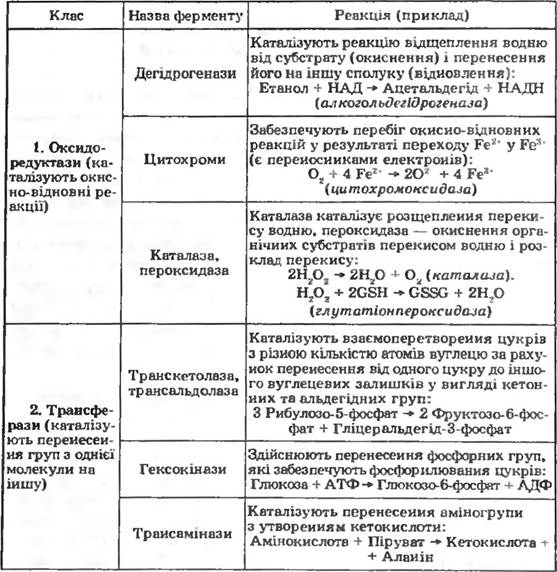
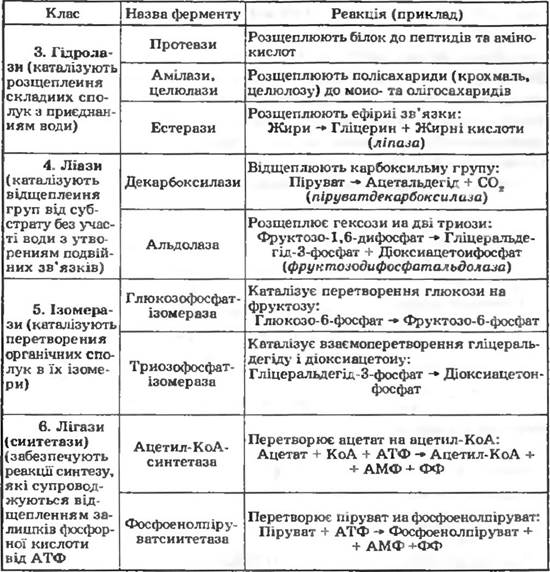
Enzymes belonging to six classes have been identified in microbial Cells (Table 11.1).
Class="center">Table 11.1
Microbial enzymes
Last update: 12/08/2026
Editorial and Educational Adaptation: This material has been compiled based on the primary/original source text. The project team performed an editorial review, corrected technical inaccuracies, structured sections, and adapted the content for an educational format.
What was processed:
- elimination of formatting defects (OCR errors, structural breaks, corrupted characters);
- editorial organization of content;
- standardization of terminology in accordance with academic sources;
- verification of factual statements against the original source text.
All mentions of the author, publication year, and origin of the primary text have been preserved in accordance with the source.