Molecular Biotechnology: Principles and Applications - Glick, B., Pasternak, J. 2002
Molecular Biotechnology of Microbiological Systems
Transgenic Animals
Transgenic Cattle
If the mammary gland is intended to be used as a "bioreactor," cattle are the most preferred animals for transgenesis, yielding up to 10,000 liters of milk annually, containing approximately 35 g of protein per liter. If the milk contains this amount of recombinant protein and its purification efficiency is 50%, about 100 kg of such protein could be obtained annually from 20 transgenic cows. By coincidence, this is precisely The amount of protein C used to prevent Blood clotting required each year. On the other hand, a single transgenic cow would be more than enough to supply the annual requirement for coagulation factor IX (Christmas factor) of the blood clotting cascade, which is administered to hemophiliacs to enhance Blood Coagulation.
To generate transgenic cows, a modified scheme of mouse transgenesis via DNA microinjection was used (Fig. 19.13). The Procedure included the following main steps.
1. Collection of oocytes from cows slaughtered at an abattoir.
2. In vitro maturation of oocytes.
3. In vitro Fertilization with bull sperm.
4. Centrifugation of fertilized eggs to concentrate the yolk, which in normal eggs hinders the visualization of the male pronucleus using a dissecting Microscope.
5. Microinjection of DNA into the male pronucleus.
6. In vitro embryo development.
7. Nonsurgical transfer of a single embryo to a recipient female during estrus.
8. DNA screening of offspring for the presence of the transgene.
In trial experiments, two transgenic calves were obtained from a pool of 2,470 oocytes. This outcome demonstrates the feasibility of the described approach, yet also highlights its low efficiency. Research in this field is ongoing, and there is hope for improving transgenesis techniques. For instance, it will soon become feasible to biopsy a small number of Cells from a developing embryo in vitro and test them for the presence of the transgene; such Cell loss will not impede the embryo's normal development. This test will allow The transfer of only those embryos that carry the transgene. One of the goals of cattle transgenesis is to alter the composition of milk components. For example, the amount of cheese produced from milk is directly proportional to its k-casein content; therefore, increasing the amount of synthesized k-casein via transgene overexpression appears highly promising. Furthermore, ensuring lactase Gene Expression IN mammary gland cells would make it possible to produce lactose-free milk. Such milk is indispensable for many lactose-intolerant individuals, who experience severe gastrointestinal distress after consuming milk or dairy products. Cattle transgenesis is a highly promising approach, but generating A large number of Transgenic Animals will take time, as it requires approximately 2 years to raise a sexually mature animal from a fertilized egg.
Class="center">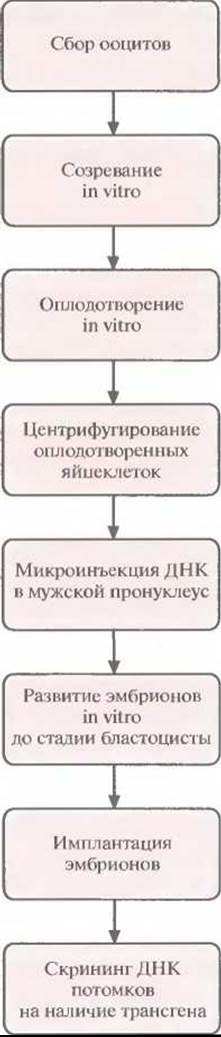
Fig. 19.13. Production of transgenic cows.
The generation of domestic animals with hereditary resistance to bacterial and viral infections as well as parasitic infestations is highly relevant. Breeds with hereditary resistance to bacterial infectious diseases are known to exist—mastitis (cattle), dysentery (newborn piglets), and cholera (poultry). If resistance to each of these diseases is governed by a single gene, attempts can be made to produce transgenic animals carrying it. Currently, vaccination and Pharmaceuticals are used to combat infectious diseases in farm animals. Sick animals are isolated, and healthy ones are closely monitored. The cost of all these measures can reach up to 20% of the total cost of the final product.
Another approach to breeding animal lines resistant to infectious pathogens involves establishing heritable immunological mechanisms through transgenesis. Various genes responsible for immune system function are considered from this perspective: GENES OF THE Major Histocompatibility Complex, T-cell receptors, and lymphokines. The most promising preliminary results to date have been obtained by introducing genes encoding the H and L chains of a monoclonal antibody into mice, rabbits, and pigs. The concept behind this approach is to equip the transgenic animal with a heritable defense mechanism that eliminates The Need for immunization via vaccination.
The Introduction of antibody genes that bind specific Antigens into a recipient Organism has been termed in vivo immunization. To achieve this, the genes for the H and L immunoglobulin chains of a mouse monoclonal antibody against an Antibody Binding to 4-hydroxy-3-nitrophenylacetate were microinjected into fertilized eggs of mice, rabbits, and pigs. In all cases, the corresponding monoclonal antibody activity was detected in the serum of the transgenic animals. However, the amount of Monoclonal Antibodies containing both H and L chains was low. To determine whether this issue can be resolved, various transgenic constructs must be tested.
Last update: 11/08/2026
Editorial and Educational Adaptation: This material has been compiled based on the primary/original source text. The project team performed an editorial review, corrected technical inaccuracies, structured sections, and adapted the content for an educational format.
What was processed:
- elimination of formatting defects (OCR errors, structural breaks, corrupted characters);
- editorial organization of content;
- standardization of terminology in accordance with academic sources;
- verification of factual statements against the original source text.
All mentions of the author, publication year, and origin of the primary text have been preserved in accordance with the source.