Cytology, General Histology and Embryology - V. K. Napkhanyuk 2002
Tissues
Epithelial Tissues
Epithelial Tissues (textus epithelialis) cover the body surface, line the mucous and serous membranes of Internal Organs, and form the majority of glands.
Phylogenetically, these are the oldest tissues, having first emerged at the dawn of multicellular Organism evolution. A characteristic feature of these tissues is that they consist exclusively of epithelial Cells interconnected by various types of junctions, forming a continuous sheet resting on a basement membrane.
Class="center">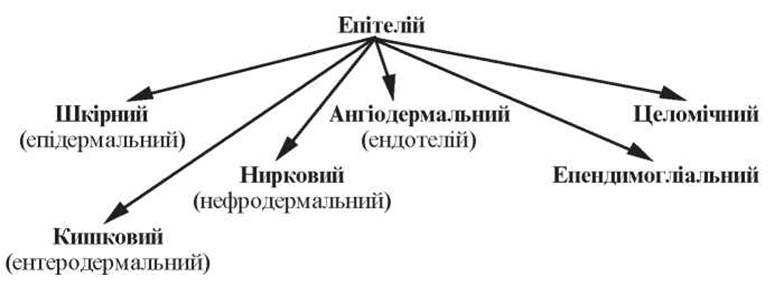
Fig. 30. Classification of epithelium by its origin
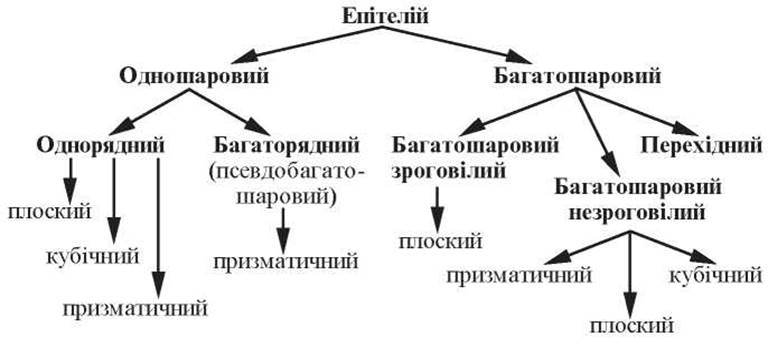
Fig. 31. Morphofunctional classification of epithelium
Sources of Epithelial Tissue development. Epithelia develop from all three germ layers, starting from the 3rd to 4th week of Human embryonic development. Depending on the developmental source, ectodermal, mesodermal, and entodermal epithelia are distinguished.
Classification of epithelium. Today, several classifications of epithelial tissues exist, based on various criteria: origin, Structure, and Functions (Fig. 30, 31).
Last update: 10/08/2026
Editorial and Educational Adaptation: This material has been compiled based on the primary/original source text. The project team performed an editorial review, corrected technical inaccuracies, structured sections, and adapted the content for an educational format.
What was processed:
- elimination of formatting defects (OCR errors, structural breaks, corrupted characters);
- editorial organization of content;
- standardization of terminology in accordance with academic sources;
- verification of factual statements against the original source text.
All mentions of the author, publication year, and origin of the primary text have been preserved in accordance with the source.