HUMAN MEDICAL BIOLOGY, ANATOMY, PHYSIOLOGY, AND PATHOLOGY - Ya.I. Fedonyuk 2010
BIOLOGY
CHAPTER 2. BIOGEOCENOTIC LEVEL OF LIFE ORGANIZATION AND HUMAN PLACE IN IT
2.3. MEDICAL PROTOZOOLOGY
Phylum Ciliophora, or Ciliates (Ciliophora, Infusoria)
Class Litostomatea
The Organelles of locomotion in Ciliates are cilia. Another characteristic feature is the presence of two distinct nuclei: a large one (macronucleus) and a small one (micronucleus). The macronucleus (vegetative Nucleus) regulates metabolic and vital processes, while the micronucleus (generative nucleus) plays a crucial role in sexual reproduction. Most ciliates inhabit aquatic environments, though parasitic species also exist. Of medical importance is the intestinal balantidium.
The intestinal balantidium (Balantidium coli) is the CAUSATIVE AGENT OF balantidiasis.
Localization - Large Intestine.
Geographical distribution - worldwide.
Morphophysiological characteristics, life cycle. This is the only parasitic Ciliate affecting humans. They are relatively large in size, measuring 30-200 x 20-70 µm, with an oval or egg-shaped body. Organelles of locomotion
- include cilia, two contractile vacuoles, two nuclei (a bean-shaped macronucleus and a micronucleus). The anterior end features a peristomium (pre-oral depression) that leads into a cytostome (Cell Mouth) and cytopharynx (cell Pharynx) (Fig. 2.12). They feed on undigested food particles and erythrocytes.
Class="center">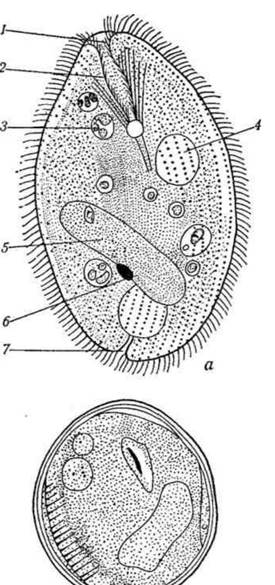
Fig. 2.12. Balantidium (Balantidium coli):
a - vegetative form; b - cyst; 1 - cytostome; 2 - cytopharynx; 3 - food vacuole;
4 - excretory (contractile) vacuole; 5 - macronucleus; 6 - micronucleus; 7 - anal pore.
Undigested waste is expelled through the anal pore located at the posterior end of the body. Reproduction occurs through asexual (transverse fission) and sexual (conjugation) Methods.
The infective stage for humans is the cyst. Infection occurs through the ingestion of cysts via contaminated Water, food, or unwashed hands. Cysts are mechanically spread by flies. Once in the digestive tract, the cysts develop into vegetative forms.
The primary source of infection is considered to be pigs, in which balantidia readily encyst. Humans suffering from balantidiasis or asymptomatic carriers rarely serve as sources of infection because cyst formation in The Human Body is uncommon. Individuals working on pig farms and at meat-Processing plants are primarily at risk of infection.
Pathogenic effects and laboratory Diagnosis.
They parasitize the large intestine, particularly frequently inhabiting the cecum. Sometimes they persist for a long time without manifesting pathogenic effects. However, in many cases, they penetrate the intestinal walls, causing bleeding ulcers. The acute form presents with severe abdominal pain, nausea, vomiting, and frequent loose stools mixed with mucus and Blood. Without Treatment, death may occur. Diagnostic material consists of fresh feces. Cysts and vegetative forms are identified under a Microscope.
Prevention. Personal measures include washing hands before meals and after using the restroom, thoroughly washing raw fruits and vegetables, and drinking boiled water. Public measures involve preventing soil contamination with pig and human feces, ensuring proper working conditions on pig farms, detecting and treating infected individuals, and conducting health education campaigns.
Last update: 08/08/2026
Editorial and Educational Adaptation: This material has been compiled based on the primary/original source text. The project team performed an editorial review, corrected technical inaccuracies, structured sections, and adapted the content for an educational format.
What was processed:
- elimination of formatting defects (OCR errors, structural breaks, corrupted characters);
- editorial organization of content;
- standardization of terminology in accordance with academic sources;
- verification of factual statements against the original source text.
All mentions of the author, publication year, and origin of the primary text have been preserved in accordance with the source.