BIOCHEMISTRY - L. Stryer - 1984
VOLUME 2
PART III. BIOSYNTHESIS OF MACROMOLECULAR PRECURSORS
CHAPTER 22. NUCLEOTIDE BIOSYNTHESIS
PROBLEMS
1. Write a balanced equation for the synthesis of PRPP from glucose via the oxidative branch of the Pentose Phosphate Pathway.
2. Write a balanced equation for the synthesis of orotate from glutamine, CO2, and aspartate.
3. What compound serves as the activated precursor in the Synthesis of the following compounds:
a) phosphoribosylamine,
b) carbamoylaspartate,
c) orotidylate (from orotate),
d) nicotinate ribonucleotide,
e) phosphoribosylanthranilate?
4. Amidotransferases are inhibited by the glutamine analogue azaserine (O-diazoacetyl-L-Serine), an antibiotic:
Class="center">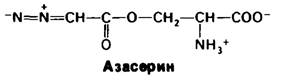
Which intermediates of Purine Biosynthesis will accumulate in Cells treated with azaserine?
5. Write a balanced equation for the synthesis of dTMP from dUMP, coupled with The conversion of serine into Glycine.
6. Bacterial growth is inhibited by sulfonamides and other related sulfa drugs. Concurrently, 5-aminoimidazole-4-carboxamide ribonucleotide accumulates. This inhibition can be reversed by The addition of p-aminobenzoate:
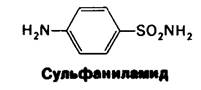
Propose a mechanism for the inhibitory action of sulfonamides.
7. Name the major biosynthetic reactions in which PRPP participates.
8. E. coli carbamoyl phosphate synthetase consists of a small subunit (40 kd) and a large subunit (130 kd). The purified small subunit has glutaminase activity, whereas the purified large subunit can synthesize carbamoyl phosphate from NH3 but not from glutamine. Furthermore, the isolated small subunit exhibits ATPase activity in the presence of bicarbonate. Based on the activities of the isolated subunits, propose a likely mechanism for the reaction catalyzed by the intact enzyme.
Last update: 06/08/2026
Editorial and Educational Adaptation: This material has been compiled based on the primary/original source text. The project team performed an editorial review, corrected technical inaccuracies, structured sections, and adapted the content for an educational format.
What was processed:
- elimination of formatting defects (OCR errors, structural breaks, corrupted characters);
- editorial organization of content;
- standardization of terminology in accordance with academic sources;
- verification of factual statements against the original source text.
All mentions of the author, publication year, and origin of the primary text have been preserved in accordance with the source.