Biological Chemistry - Berezov T. T., Korovkin B. F. 1998
Chemistry of Carbohydrates
Polysaccharides
Heteropolysaccharides
Polysaccharides whose Structure features two or more types of monomer units are termed heteropolysaccharides.
It is generally accepted that because heteropolysaccharides typically consist of only two different monomers arranged in a repeating pattern, they do not function as informational molecules [Bohinsky R., 1987].
The most important representatives of heteropolysaccharides in Human and Animal Organs and Tissues are glycosaminoglycans (mucopolysaccharides). They consist of complex carbohydrate chains containing amino sugars and uronic acids.
There are six main classes of glycosaminoglycans (see Chapter 21). Each glycosaminoglycan contains a characteristic repeating disaccharide unit; in all cases (except for keratan sulfates), this unit contains either glucuronic or iduronic acid. All glycosaminoglycans, with the exception of hyaluronic acid, contain monosaccharide residues bearing O- or N-sulfate groups.
Class="center">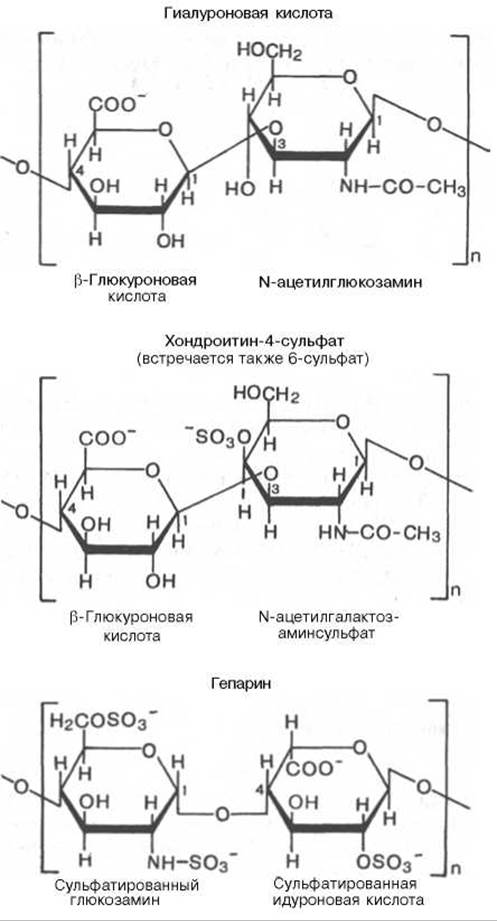
Fig. 5.5. Structure of selected complex polysaccharides (glycosaminoglycans).
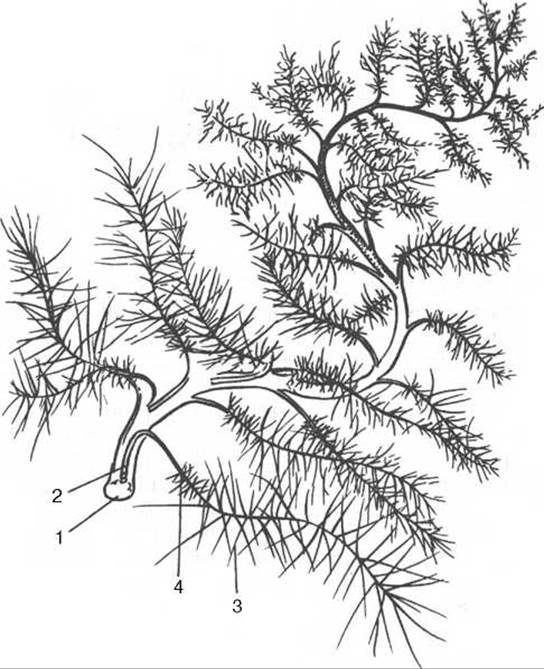
Fig. 5.6. Proteoglycan aggregate (schematic).
A single long hyaluronan molecule (1) is non-covalently bound to numerous protein molecules (2), each of which carries covalently attached molecules of chondroitin sulfate (3) and keratan sulfate (4).
Glycosaminoglycans vary significantly in size, with molecular weights ranging from 104 Da for heparin to 107 Da for hyaluronic acid.
Isolated individual glycosaminoglycans may contain a mixture of chains of varying lengths (Fig. 5.5). Acting as a primary cementing substance, glycosaminoglycans are associated with the Structural components of bone and Connective Tissue. Their Functions also include binding large amounts of Water and filling intercellular spaces. In other words, glycosaminoglycans are a major component of the Extracellular matrix—the gelatinous substance that fills the intercellular spaces in tissues. They are also abundant in synovial fluid, a viscous material surrounding joints that acts as a lubricant and Shock absorber.
Because aqueous solutions of glycosaminoglycans are gel-like, they are traditionally referred to as mucopolysaccharides.
Finally, when glycosaminoglycan chains are attached to a protein molecule, the resulting macromolecule is called a proteoglycan.
Proteoglycans form the ground substance of the extracellular matrix. Unlike typical Glycoproteins, which contain only a few percent of CARBOHYDRATES by weight, proteoglycans may consist of up to 95% (or more) carbohydrate by mass (Fig. 5.6).
Last update: 06/08/2026
Editorial and Educational Adaptation: This material has been compiled based on the primary/original source text. The project team performed an editorial review, corrected technical inaccuracies, structured sections, and adapted the content for an educational format.
What was processed:
- elimination of formatting defects (OCR errors, structural breaks, corrupted characters);
- editorial organization of content;
- standardization of terminology in accordance with academic sources;
- verification of factual statements against the original source text.
All mentions of the author, publication year, and origin of the primary text have been preserved in accordance with the source.