MICROBIOLOGY - M.H. Serhiichuk - 2008
Chapter 9. THE ROLE OF MICROORGANISMS IN BIOGEOCHEMICAL CYCLES IN NATURE
TRANSFORMATION OF PHOSPHORUS COMPOUNDS
Phosphorus is a vital macronutrient essential for plant Nutrition. It is a key component of Nucleic Acids, phytin, lecithin, various Inositol phosphates, and humic substances; it participates in phosphorylation and the synthesis of energy-rich compounds; and it is found in soil, plants, and microbial Cells in both organic and inorganic forms.
The bulk of soil phosphorus exists as organic matter or poorly soluble inorganic calcium phosphates (such as apatites, oxyapatites, fluorapatites, and phosphorites), as well as iron phosphates and oxyphosphates (such as vivianite), which are unavailable for uptake by higher plants. Phosphorus enters the soil via PLANT AND ANIMAL residues, as well as through the application of mineral fertilizers.
In plants, this element occurs primarily as organophosphorus compounds—such as phytin (the calcium-magnesium salt of inositol phosphoric acid), Phospholipids, and nucleic acids. Phospholipids are formed through the Esterification of glycerol and high-molecular-weight Fatty acids. One of the alcoholic hydroxyl groups of glycerol forms an ester bond with phosphoric acid, the residue of which may further bind with Choline (or another compound) to yield lecithin (phosphatidylcholine).
Class="center">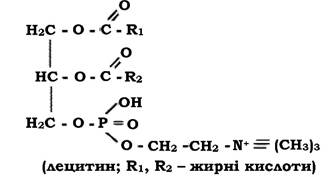
Nucleic acids undergo the fastest microbial degradation. The breakdown rate of lecithin occupies an intermediate position between the desulfofication of Nucleic Acids and phytin. The Cleavage of phytin yields inositol and phosphoric acid.
Organic phosphorus compounds are broken down by diverse groups of microorganisms, including Bacteria (Bacillus megaterium, B. subtilis, Pseudomonas aeruginosa, etc.), Fungi (Alternaria, Aspergillus, Penicillium, Rhizopus, Trichothecium), Yeasts (Candida, Hansenula, Rhodotorula, Saccharomyces), and actinomycetes. A typical representative of phosphorus-solubilizing bacteria is Bacillus megaterium var. phosphaticum. The mineralization of organophosphates involves the hydrolytic cleavage of phosphoric acid from the organic substrate. Part of this released phosphoric acid is assimilated into microbial cells, another part is taken up by plants, while the remainder binds with soil bases to form aluminum, iron, calcium, and magnesium salts that are poorly soluble and largely unavailable for plant nutrition. Insoluble calcium phosphates (e.g., fluorapatites — Ca5F(PO4)3, and hydroxyapatites — Ca5OH(PO4)3) accumulate predominantly in neutral and alkaline soils. In contrast, acidic soils are dominated by insoluble iron salts (vivianite — Fe3(PO4)2 x 8H2O) and aluminum salts, which cannot be utilized by plants.
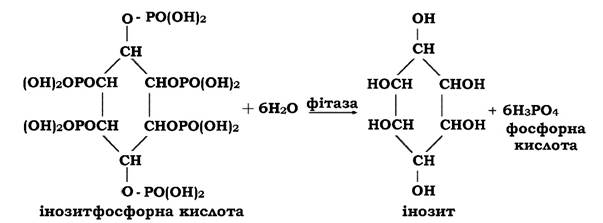
The vital role of microorganisms lies in their ability to convert insoluble mineral phosphorus compounds into a soluble, accessible state. Such microorganisms include bacteria (e.g., Bacillus, Micrococcus, Pseudomonas, Mycobacterium) and fungi of the genera Aspergillus and Penicillium, among others. Phosphate solubilization is driven by the microbial production of CO2 and various organic acids.
When a microorganism releases CO2, it first dissolves to form carbonic acid, which in turn solubilizes insoluble phosphates:

When microorganisms produce organic acids, the process proceeds similarly:

Last update: 13/08/2026
Editorial and Educational Adaptation: This material has been compiled based on the primary/original source text. The project team performed an editorial review, corrected technical inaccuracies, structured sections, and adapted the content for an educational format.
What was processed:
- elimination of formatting defects (OCR errors, structural breaks, corrupted characters);
- editorial organization of content;
- standardization of terminology in accordance with academic sources;
- verification of factual statements against the original source text.
All mentions of the author, publication year, and origin of the primary text have been preserved in accordance with the source.