Fundamentals of Molecular Biology. Part 2: Molecular Genetic Mechanisms - A. N. Ogurtsov 2011
Applications of DNA Clones
Applications of Antibodies
12.4.1. Intracellular Localization of Proteins. In addition to synthesizing post-translationally modified proteins, eukaryotic expression vectors provide a convenient way to study the intracellular localization of a given eukaryotic protein.
To achieve this, the cloned cDNA is modified by adding a short DNA sequence that encodes an epitope—an Amino Acid Sequence recognized by a specific monoclonal antibody.
These Monoclonal Antibodies, in turn, are covalently attached to fluorescent molecules.
Following transfection with a plasmid expression vector containing such modified cDNA, the expressed protein (tagged with epitopes) can be detected by immunofluorescence staining of the Cells using monoclonal antibodies specific for that epitope.
Epitope tagging saves the time and effort required to search for and isolate a novel monoclonal antibody specific to the protein of interest.
12.4.2. Immunological Screening. In the absence of a DNA probe, immunological screening can be used to screen a genomic library. For example, if the cloned Gene is expressed, its product—either the whole protein or a part of it—can be detected using immunological Methods. Technically, this Procedure has much in common with Hybridization. All Cell lines (clones) of the library are plated on a nutrient medium. The grown colonies are transferred onto a filter, the cells are lysed, and the released proteins are fixed on the filter. Figure 111(a) schematically depicts such a target protein on a solid support.
Class="center">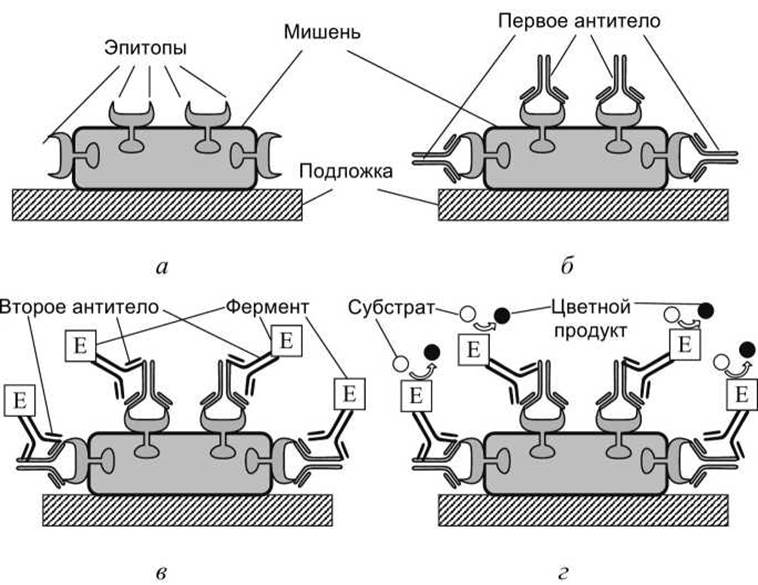
Figure 111 - Scheme of immunological screening
Next, primary antibodies that specifically bind to the target protein (antigen) are applied to the filter (Figure 111(b)), all unbound antibodies are washed away, and the filter is placed in a solution of secondary antibodies specific for the primary antibodies (Figure 111(c)).
Many test systems utilize conjugates of secondary antibodies with an enzyme (E), such as alkaline phosphatase. After washing the filter, a colorless substrate is added. If the secondary antibodies bind to the primary ones, the enzyme catalyzes the Hydrolysis of the substrate, producing a colored product at the site of the reaction (Figure 111(d)).
Those cells on the plate that correspond to the colored spots on the filter contain either the full-length gene or a sufficiently large fragment of it that ensures the Synthesis of the protein product recognized by the primary antibodies. Upon completion of the immunological screening of the genomic library, it is necessary to determine which of the selected clones actually contains the full-length gene.
Plasmid-based expression vectors make it possible to synthesize the required amount of a given protein, provided that its coding cDNA has been previously cloned. A key feature of such vectors is the presence of a promoter linked to the cDNA, which ensures high-level METABOLISM/31.html">Transcription.
The fusion of a B lymphocyte and an "immortal" myeloma cell yields a hybrid cell capable of proliferation to form a clone known as a hybridoma. Since each individual B lymphocyte synthesizes antibodies specific to a single antigenic determinant (epitope), the hybridoma produces exclusively the monoclonal antibodies characteristic of the parental B lymphocyte.
HAT medium is used for the Selection of hybridoma cells, as well as Other types of hybrid cells.
Eukaryotic expression vectors can be used for Gene cloning in Yeast or mammalian cells. Important Applications of these methods include epitope tagging for antibody-based detection and immunological screening.
Self-Control Questions
1. In which cases is it necessary to express DNA clones in animal cells rather than bacterial cells?
2. What process is referred to as transfection?
3. What are the Similarities and differences between transient and stable transfection?
4. What are the similarities and differences between monoclonal and polyclonal antibodies?
5. WHAT IS A hybridoma, and how is it produced?
6. What is The Essence of the epitope tagging method, and what is its purpose?
7. How is immunological screening performed?
Last update: 12/08/2026
Editorial and Educational Adaptation: This material has been compiled based on the primary/original source text. The project team performed an editorial review, corrected technical inaccuracies, structured sections, and adapted the content for an educational format.
What was processed:
- elimination of formatting defects (OCR errors, structural breaks, corrupted characters);
- editorial organization of content;
- standardization of terminology in accordance with academic sources;
- verification of factual statements against the original source text.
All mentions of the author, publication year, and origin of the primary text have been preserved in accordance with the source.