Principles of Biochemistry Volume 3 - A. Lehninger 1985
Selected aspects of human biochemistry
Human nutrition
Ethanol also serves as a source of energy
In economically developed countries, the consumption of alcoholic beverages has increased so significantly over the past 25 years that ethanol has become a major contributor to total dietary caloric intake: even in adults who do not suffer from alcoholism, alcohol can account for up to 12% of total daily calories (Table 26-8). Ethanol has a high energy density—The oxidation of 1 g of this alcohol releases 7 kcal of energy, a value that lies between the caloric values of CARBOHYDRATES and fats. Moreover, The energy released during the oxidation of ethanol in the Organism can be conserved as ATP via well-established metabolic pathways. In the Liver, under the action of the cytosolic enzyme Alcohol dehydrogenase, ethanol is oxidized to acetaldehyde, with NAD+ serving as the hydrogen ion acceptor:
Class="center">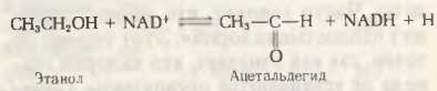
Table 26-8. Per capita consumption of alcoholic beverages in the USA per year1] (1978)
Beverage |
Volume, gallons (1 gallon = 3.8 L) |
Ethanol, % (by volume) |
Energy equivalent, kcal |
Distilled spirits |
2.9 |
50 |
33000 |
Beer |
23.4 |
5 |
25 000 |
Wine |
1.9 |
12 |
4900 |
Total |
62900 |
1) The daily per capita consumption of ethanol from various beverages corresponds to 240 kcal of energy. Since total daily caloric intake from food is approximately 3000 kcal/day, ethanol accounts for 8%. In some European countries, particularly in France, alcohol consumption levels are even higher. In heavy drinkers and alcoholics, ethanol may provide more than half of their total caloric intake.
Acetaldehyde is subsequently oxidized to acetate through the action of the NAD-dependent mitochondrial enzyme aldehyde dehydrogenase:

These reactions yield two molecules of NADH, which serve as Donors of reducing equivalents for the mitochondrial Respiratory Chain. During the subsequent electron transfer to oxygen, 2(3) = 6 molecules of ATP are generated from ADP and P. The acetate derived from ethanol is then activated in the liver by short-chain acyl-CoA synthetase to form acetyl-CoA.

The resulting acetyl-CoA can then be oxidized in The Citric Acid Cycle. It is often stated that ethanol contains “empty calories.” This term is inaccurate if it implies that the calories from ethanol are not utilized by the body. In reality, however, the term merely reflects the fact that distilled spirits, wine, and beer are virtually devoid of Vitamins AND MINERALS.
Alongside the adverse social and economic consequences of alcoholism, utilizing alcohol as a foodstuff and energy source presents several biochemical drawbacks. First, excess calories from ethanol that exceed the daily nutritional requirement are converted exclusively into fats via acetyl-CoA, because The Human Body cannot convert ethanol into glucose or Glycogen. Second, in many individuals, large doses of ethanol cause hypoglycemia by blocking the Synthesis of glucose from lactate and Amino Acids. And finally, third, ethanol is a very expensive source of calories. In the USA, The amount of beer in a six-pack corresponding to 1130 kcal costs approximately 20 times more than 300 g of sugar containing the exact same amount of calories.
Last update: 06/08/2026
Editorial and Educational Adaptation: This material has been compiled based on the primary/original source text. The project team performed an editorial review, corrected technical inaccuracies, structured sections, and adapted the content for an educational format.
What was processed:
- elimination of formatting defects (OCR errors, structural breaks, corrupted characters);
- editorial organization of content;
- standardization of terminology in accordance with academic sources;
- verification of factual statements against the original source text.
All mentions of the author, publication year, and origin of the primary text have been preserved in accordance with the source.