Human Anatomy, Part 1 - K. A. Dubenko, A. K. Kolomiysev, Yu. B. Chaykovsky 2002
Special Section
Reproductive Systems, systemata genitalia
The reproductive systems are divided into:
- the Male Reproductive System, systema genitale masculinum (Fig. 317);
- the FEMALE REPRODUCTIVE SYSTEM, systema genitale femininum (Fig. 324).
Class="center">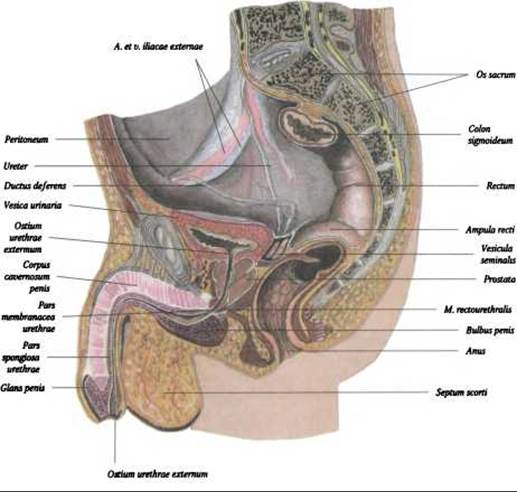
Fig. 317. Male genitalia, organa genitalia masculina, sagittal section (left lateral view)
The reproductive Organs, organa genitalia, ensure the development and release of Germ Cells (carriers of hereditary information), Fertilization, and the nourishment of the embryo within the maternal body. Through Sex Hormones, they exert an influence on the entire human body. Male and FEMALE REPRODUCTIVE ORGANS differ in Structure, yet share a Homology stemming from their common embryonic origin. Depending on their functional purpose, both male and female reproductive systems comprise: Gonads, genital ducts, and copulatory organs (from Latin copulatio – copulation, union, in a broad sense – the joining of two individuals during sexual intercourse).
Last update: 08/08/2026
Editorial and Educational Adaptation: This material has been compiled based on the primary/original source text. The project team performed an editorial review, corrected technical inaccuracies, structured sections, and adapted the content for an educational format.
What was processed:
- elimination of formatting defects (OCR errors, structural breaks, corrupted characters);
- editorial organization of content;
- standardization of terminology in accordance with academic sources;
- verification of factual statements against the original source text.
All mentions of the author, publication year, and origin of the primary text have been preserved in accordance with the source.