Human Biochemistry Volume 1 - Murray R. 1993
Bioenergetics and Carbohydrate and Lipid Metabolism
Biological Oxidation
Introduction
In chemistry, oxidation is defined as the removal of electrons and reduction as The addition of electrons; this can be illustrated by The oxidation of a ferrous ion to a ferric ion:
Class="center">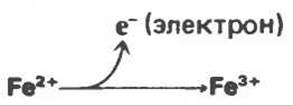
It follows that oxidation is always accompanied by the reduction of an electron acceptor. This principle of oxidation-reduction processes is equally applicable to biochemical systems and characterizes The Nature of Biological Oxidation. Below are Examples demonstrating that many biological oxidation processes occur without the participation of molecular oxygen, such as dehydrogenase reactions.
Last update: 06/08/2026
Editorial and Educational Adaptation: This material has been compiled based on the primary/original source text. The project team performed an editorial review, corrected technical inaccuracies, structured sections, and adapted the content for an educational format.
What was processed:
- elimination of formatting defects (OCR errors, structural breaks, corrupted characters);
- editorial organization of content;
- standardization of terminology in accordance with academic sources;
- verification of factual statements against the original source text.
All mentions of the author, publication year, and origin of the primary text have been preserved in accordance with the source.