Human Anatomy Part 1 - K. A. Dyubenko, A. K. Kolomiysev, Yu. B. Chaykovsky 2002
Special Part
Splanchnology, splanchnologia [the study of viscera] — Digestive system, systema digestorium
Intestine — Rectum
The rectum (Greek proctos, hence proctitis as inflammation of the rectal mucosa) is the terminal segment of the Large Intestine (Fig. 248). Beginning at the level of the sacral promontory (A. M. Aminev, 1956), it serves for the storage and elimination of feces. The rectum lies directly against the anterior surface of the sacrum and is divided into two parts: the pelvic part, pars pelvina, and the perineal part, pars perinealis. The perineal part, which is 4–5 cm long, is referred to as the anal canal, canalis analis (PNA). In the sagittal plane, the rectum forms two curves: the sacral flexure, flexura sacralis, and the perineal flexure, flexura perinealis (see Fig. 248A). The middle portion of the rectum is significantly dilated and forms the rectal ampulla, ampulla recti, with a diameter of 10–16 cm, where digestive waste accumulates. Three anatomical shapes of the rectum are distinguished: 1) ampullary, where the ampulla is clearly defined; 2) cylindrical, where the ampulla is not pronounced; and 3) a transitional form (A. M. Aminev).
Class="center">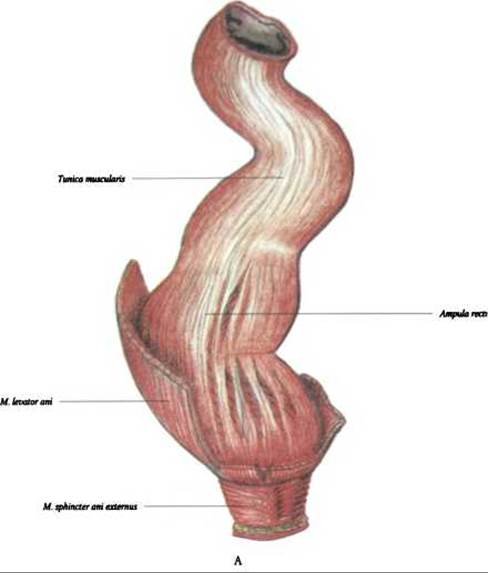
Fig. 248. The rectum, rectum (after R. D. Sinelnikov):
A — muscular coat, tunica muscularis
In proctological practice, the rectum is divided into five sections: supra-ampullary (or rectosigmoid); upper ampullary; middle ampullary; lower ampullary; and perineal (A. V. Starkov).
Last update: 08/08/2026
Editorial and Educational Adaptation: This material has been compiled based on the primary/original source text. The project team performed an editorial review, corrected technical inaccuracies, structured sections, and adapted the content for an educational format.
What was processed:
- elimination of formatting defects (OCR errors, structural breaks, corrupted characters);
- editorial organization of content;
- standardization of terminology in accordance with academic sources;
- verification of factual statements against the original source text.
All mentions of the author, publication year, and origin of the primary text have been preserved in accordance with the source.